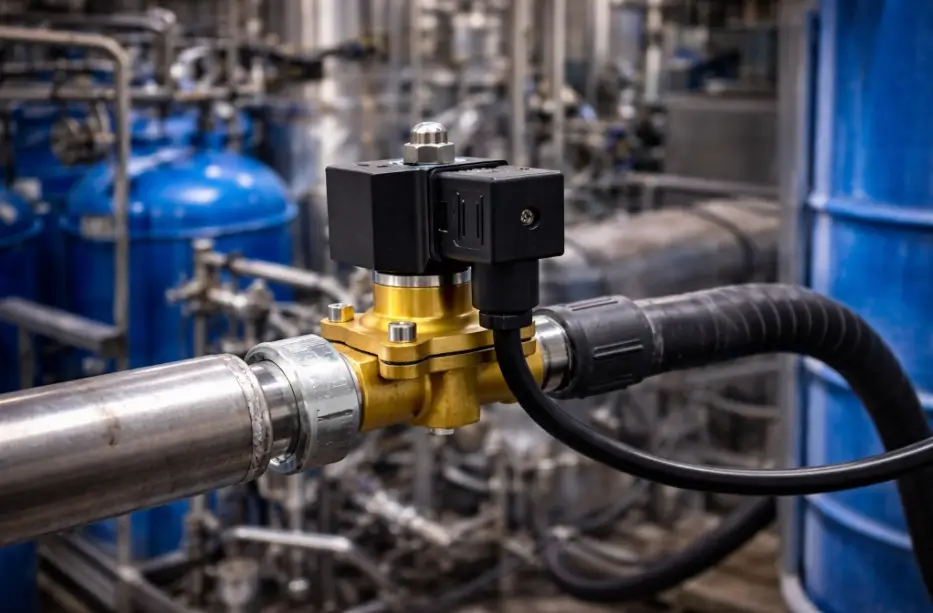
Common Problems Caused by Low-Quality Solenoid Valve Suppliers
Industrial automation systems rely heavily on precision components to ensure safe and continuous operation. Among these components, solenoid valves play a critical role in controlling the flow of gases and fluids across many industrial processes. From manufacturing plants and gas distribution systems to chemical processing facilities, these…
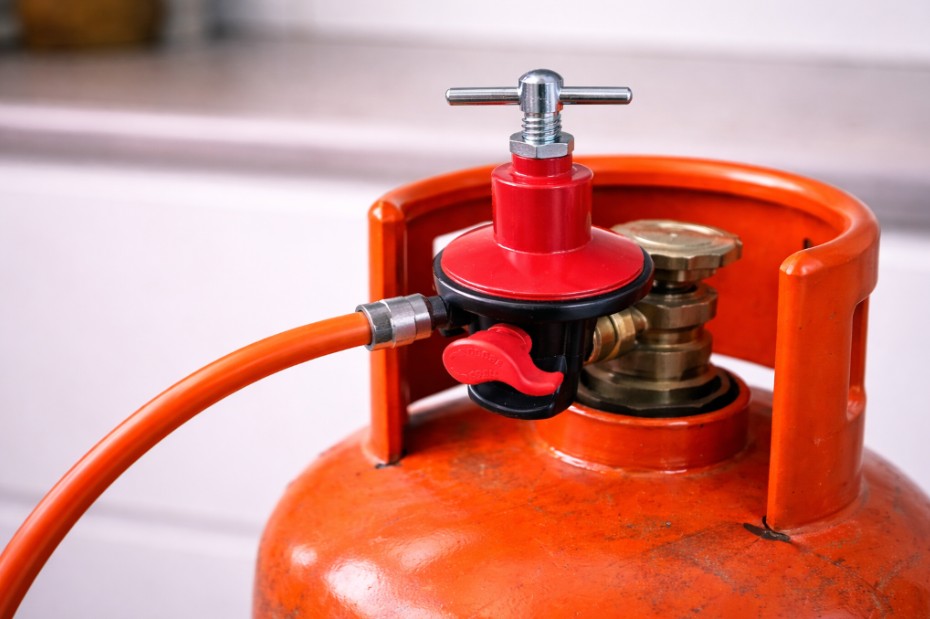
LPG Gas Regulator Safety Guidelines: What Every User Must Know
Liquefied Petroleum Gas (LPG) is widely used across homes, commercial kitchens, caravans, industrial facilities, and holiday parks due to its efficiency and convenience. However, like any pressurised fuel system, LPG requires proper handling and safety awareness. One of the most critical components in any LPG…
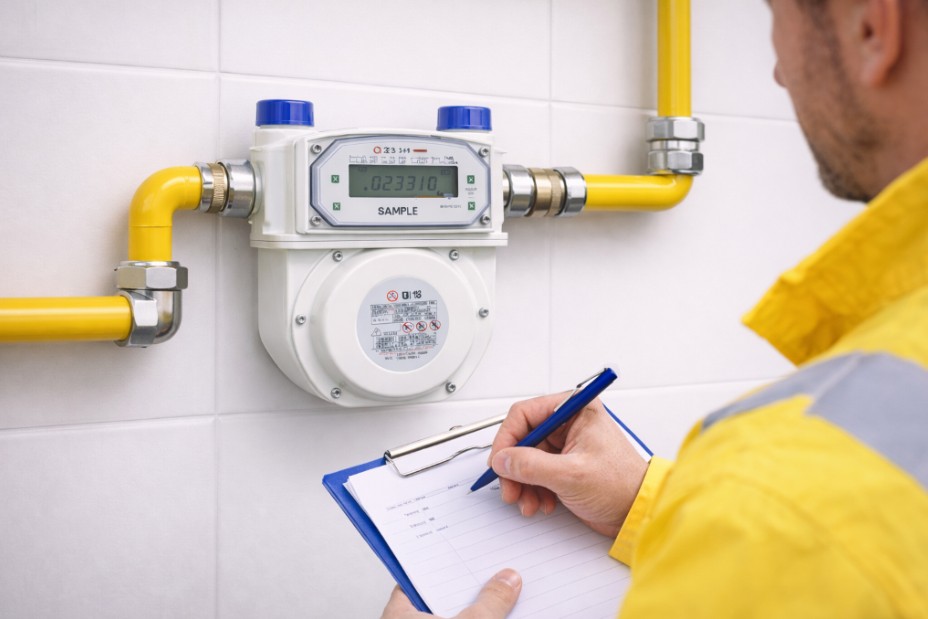
What Is a Gas Meter and How Does It Work?
A gas meter is a device used to measure the amount of gas consumed in residential, commercial, and industrial systems. It records gas flow so that energy providers and facility operators can monitor usage accurately. Gas meters play a critical role in: Ensuring accurate billing…
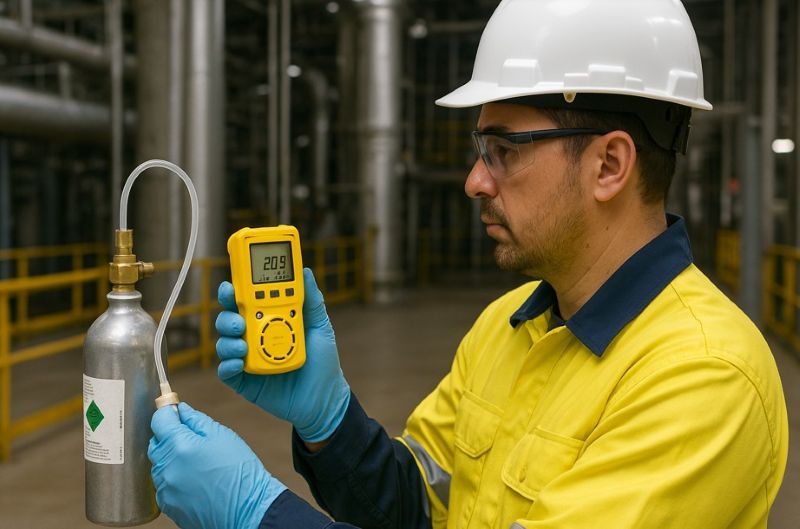
Portable Gas Detector Calibration: How Often Is Required?
In industries where hazardous gases are present, such as oil & gas, manufacturing, wastewater treatment, and confined-space operations, portable gas detectors are a critical frontline safety tool.
However, even the most advanced detector becomes unreliable if it is not calibrated correctly and at the right frequency.
Calibration…
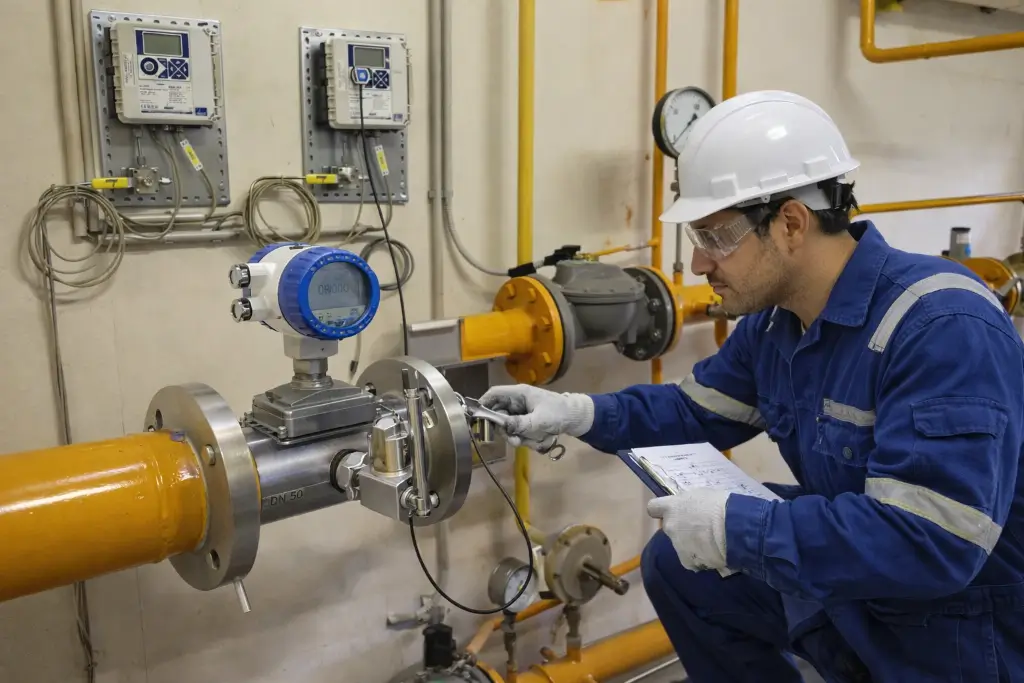
Turbine Meter Calibration Best Practices & Maintenance Tips
Accurate flow measurement is the backbone of efficient industrial operations. From gas distribution and petrochemical processing to water treatment and manufacturing, turbine meters are widely used for their high accuracy, fast response time, and repeatable performance. However, even the best turbine meter will drift over time without…
Common Mistakes When Using Portable Gas Detectors (And How to Avoid Them)
Why Choosing the Right Gas Detector Matters More Than You Think
Gas detection is not just a regulatory requirement, it is a critical safety investment. In Malaysia, industries such as manufacturing, oil & gas, laboratories, wastewater treatment, and confined-space operations rely heavily on…
Common Mistakes When Using Portable Gas Detectors (And How to Avoid Them)
Portable gas detectors play a vital role in ensuring workplace safety — alerting users to the presence of toxic or combustible gases before they reach dangerous levels. But like any safety tool, even the best portable gas detector is only as reliable as…
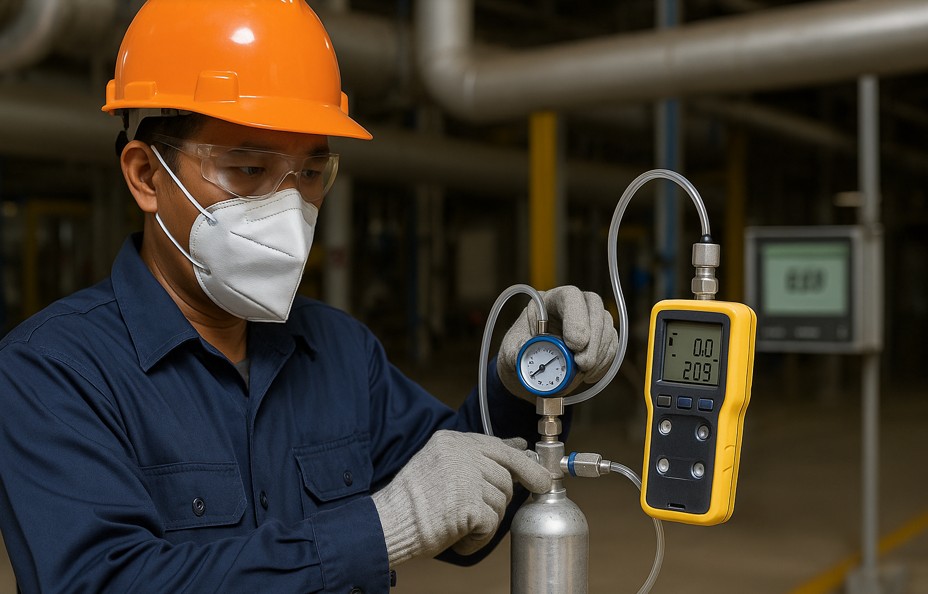
How to Maintain and Calibrate a Gas Detector for Long-Term Accuracy
When it comes to gas safety, installing a detector is only the first step — keeping it accurate over time is the real challenge. A gas detector that’s out of calibration can lead to false alarms or missed leaks, compromising both safety and compliance.…
Portable Gas Detectors: The Complete Buyer’s Guide for Malaysian Industries (2026 Edition)
Ensuring workplace safety has become a top priority for Malaysian industries, especially in environments where hazardous gases may be present. As gases like carbon monoxide (CO), hydrogen sulfide (H₂S), methane (CH₄), and volatile organic compounds (VOCs) continue to pose risks, portable gas detectors…
Why Regular Gas Leak Detection Maintenance Matters
Gas leaks are silent hazards — often invisible, odorless, and capable of causing serious damage to property, productivity, and lives. While installing a gas leak detector is a critical safety measure, regular maintenance and calibration are what keep these systems effective over time. Whether you manage a factory,…
5 Common Causes of Gas Leaks in Malaysia (and How to Detect Them Early)
The risk of gas leaks is a serious concern across Malaysian industries — from food processing and manufacturing plants to commercial kitchens and refineries. Even a minor leak can lead to safety hazards, production downtime, and costly losses. Most gas leaks,…
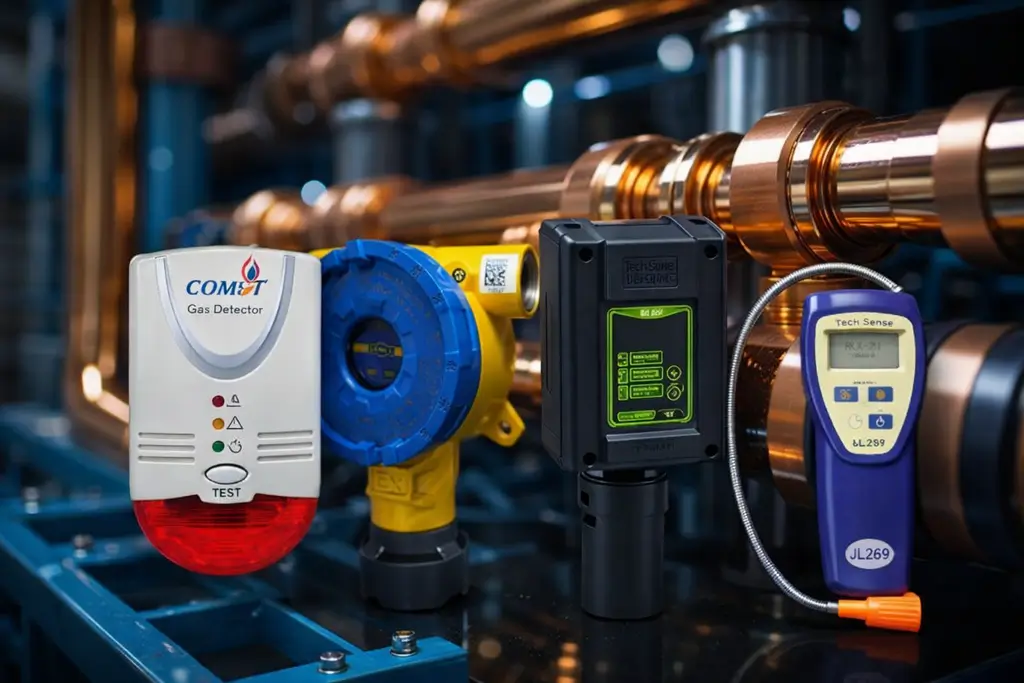
Gas Detectors vs Gas Monitors: What’s the Difference
In industries where gases are present—such as oil & gas, manufacturing, chemical plants, and even households—safety is paramount. One of the most effective ways to protect people and property is by using devices that can detect hazardous gases before they reach dangerous levels. Two terms often used…