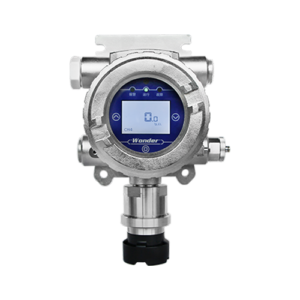
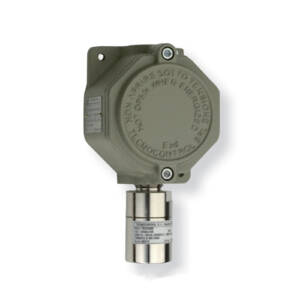
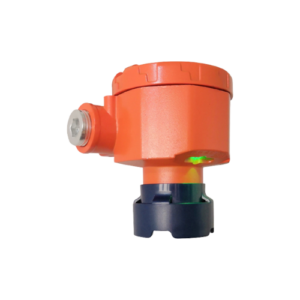
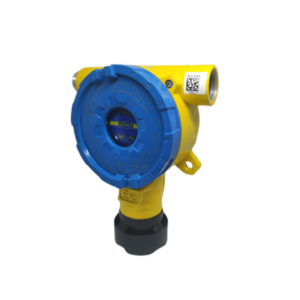
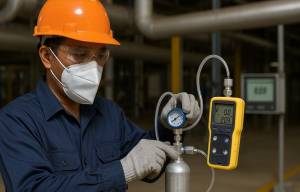
Gas Detector Malaysia
Reliable Gas Detection Systems for Industrial & Commercial Safety
In industrial facilities, even the smallest gas leak can lead to serious safety risks, production downtime, or property damage. That’s why having a reliable gas detector is crucial.
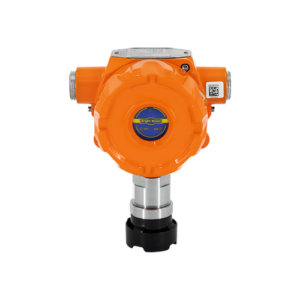
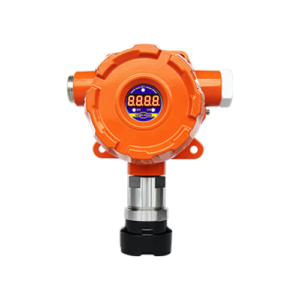
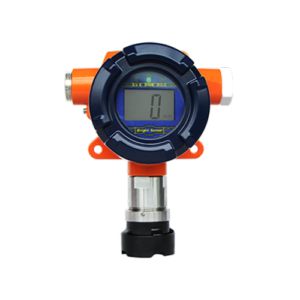
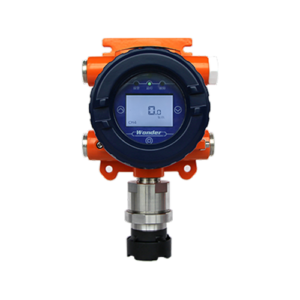
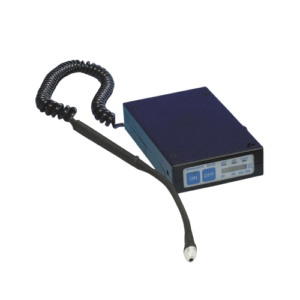
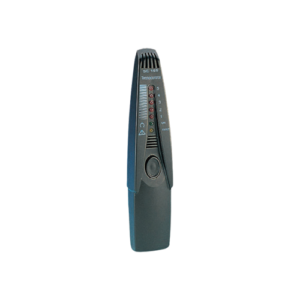
At Comet Integrated, we provide a full range of portable and fixed gas detectors in Malaysia designed to help businesses detect, monitor, and control hazardous gases in real time — keeping your operations safe and compliant.
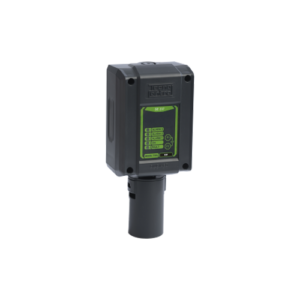
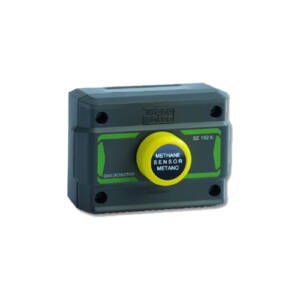
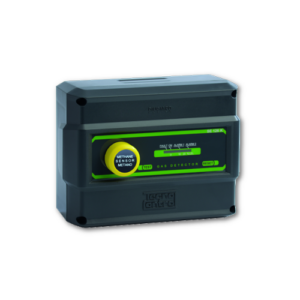
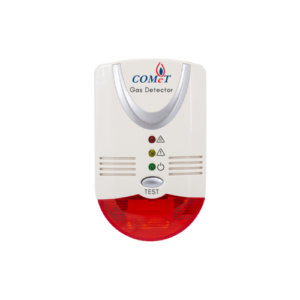
Our Types of Gas Detector in Malaysia
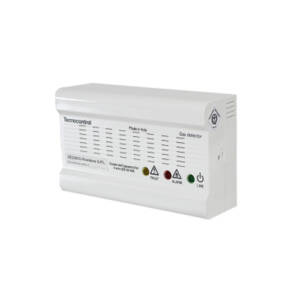
Industrial Gas Detectors
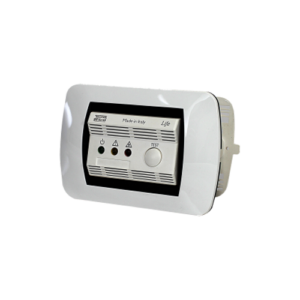
Commercial Gas Detectors
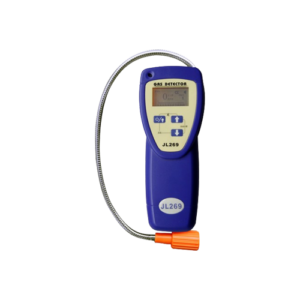
Domestic Gas Detectors
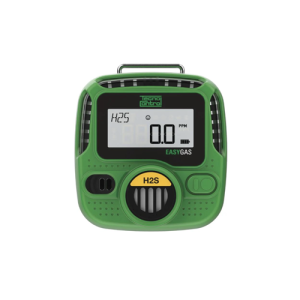
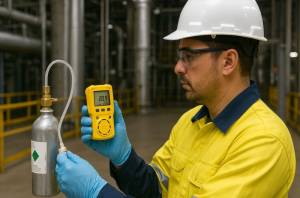
Portable Gas Detectors
How Gas Detectors Work
Gas detectors identify the presence of combustible or toxic gases using technologies such as:
| Key Features | Description |
|---|---|
| Infrared Sensors | Ideal for hydrocarbon gases (e.g., methane, propane) |
| Catalytic Bead Sensors | Detect combustible gas concentration |
| Electrochemical Sensors | Used for oxygen and toxic gas monitoring |
| Semiconductor Sensors | Reliable for general gas leak detection |
Applications of Gas Detectors in Malaysia
Our gas detectors are used across various industrial and commercial settings:
-
LPG storage and distribution facilities
-
Boiler and heating systems
-
Refineries and chemical plants
-
Wastewater treatment plants
-
Food & beverage manufacturing facilities
-
Laboratories and cleanrooms
💡 Tip: Choose the Best Gas Detection System for Your Business
How to Choose the Right Gas Leak Detector in Malaysia
| Factor | What to Consider | Why It Matters |
|---|---|---|
| Type of Gas Detected | LPG, NG, methane, propane, CO, H₂S, NH₃, O₂ | Each detector is calibrated for specific gases commonly used in Malaysia. |
| Detector Type | Portable or fixed wall-mounted | Portable units suit inspections; fixed detectors provide 24/7 monitoring in kitchens, factories, and boiler rooms. |
| Sensitivity & Response Time | High sensitivity and fast detection | Early detection helps prevent fires, explosions, and hazardous gas exposure. |
| Alarm System | Loud buzzer (≥ 85 dB), flashing lights, relay output | Ensures alerts are noticeable even in noisy industrial or commercial environments. |
| Power Compatibility | 230V AC (Malaysia standard) or 12V/24V DC | Matches local electrical systems and existing control panels. |
| Installation Environment | Heat-resistant, humidity-proof, oil/steam-resistant, IP-rated housing | Prevents damage, false alarms, and sensor failure under Malaysian weather and kitchen conditions. |
| Certifications | CE, ROHS, ISO or other recognised standards | Indicates product quality, safety, and reliable performance. |
| Maintenance & Calibration | Replaceable sensors, easy calibration process | Reduces downtime and extends the lifespan of the detector. |
| Supplier Support | Technical support, warranty, installation guidance | Ensures correct setup, troubleshooting help, and long-term reliability. |
Frequently Asked Questions (FAQ) About Gas Detection System in Malaysia
What types of gases can an industrial gas detection system identify?
Industrial systems can detect both flammable/combustible gases (e.g., methane, propane, LPG) and toxic gases (e.g., hydrogen sulfide H₂S, carbon monoxide CO, ammonia NH₃), as well as oxygen depletion/enrichment hazards.
Fixed vs portable gas detectors: which is right for my facility?
Fixed detectors are installed permanently for continuous monitoring in high-risk zones. Portable detectors are for spot checks, confined space entry or mobile inspection. Many facilities use both.
How often should gas detectors be calibrated in Malaysia?
Calibration frequency varies, but many sources recommend calibration every 6–12 months (especially for fixed systems) and more frequent bump tests for portable systems.
Where should I install gas detectors in my Malaysian industrial facility?
Placement depends on properties of the gas: lighter-than-air gases accumulate near the ceiling; heavier gases settle near the floor. Also near probable leak points (valves, joints, storage).
What are common mistakes to avoid when installing a gas detection system?
Mistakes include poor placement, skipping calibration, ignoring environmental factors, choosing wrong sensor type, and DIY installation without professional oversight.
How does a gas detection system integrate into my safety/monitoring infrastructure?
Systems can link to plant control systems (PLC/DCS), building management, ventilation shutdowns, alarm panels. For Malaysian B2B users this integration is key for safety and compliance.
What should I consider when selecting sensor technology?
You’ll evaluate sensor type (infrared, catalytic bead, electrochemical, MOS), required gases, environment (temperature/humidity), maintenance demands, lifespan and cost.
What Malaysian regulatory standards apply to gas detection systems?
Industrial sites must comply with Department of Occupational Safety and Health Malaysia (DOSH) regulations, safe work practices for hazardous gases, confined space entry, and equipment maintenance. Local vendors often align systems to those standards.
What is the total cost of ownership for a gas detection system?
Costs include initial equipment and installation, calibration/maintenance, sensor replacements, integration to control systems, and training. Investing upfront often reduces downtime and safety risk.
What steps should I take after an alarm activates on my gas detection system?
Once the alarm triggers: evacuate or isolate the affected area, ventilate if needed, investigate and stop the source of leak, record the incident, service the detector and retest. Having a written procedure is critical.
Why Choose Us
We deliver top gas brands, ample stock, expert support, and certified products—all in one place.

One-Stop Gas Solution

Global Quality Standards

Fast & Reliable Supply

Always in Stock

Expert Technical Support
One stop solutions for oil and gas products
Welcome to Comet Integrated
Comet Integrated Sdn Bhd (502054-M) is a registered company established in 1999. we have a leading presence in supporting gas suppliers, distributors and LPG professionals.
Our Partners