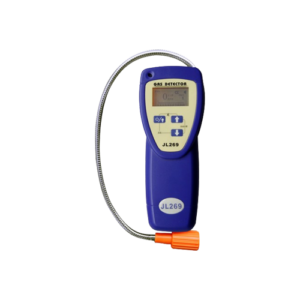
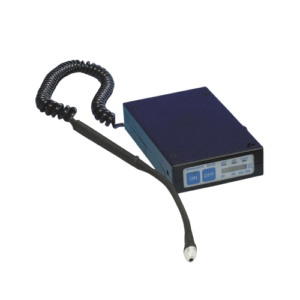
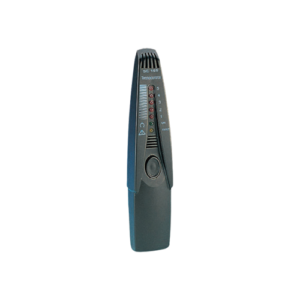
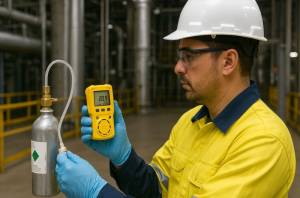
Portable Gas Detector
Portable gas detectors are essential safety tools used across Malaysia’s industrial, commercial, and engineering sectors. Whether you’re working in oil & gas, confined spaces, manufacturing plants, laboratories, or construction sites, a portable gas detector allows you to quickly identify harmful gases such as LPG, methane, oxygen deficiency, carbon monoxide (CO), hydrogen sulphide (H₂S), and volatile organic compounds (VOCs).
Designed for fast response and easy one-hand operation, portable gas detectors help workers stay protected in high-risk environments by offering real-time monitoring, loud alarms, and reliable sensor technology.
Types of Portable Gas Detectors
1. Single-Gas Portable Detectors
Ideal for targeted applications where only one type of gas needs to be monitored.
Common gases include:
CO
H₂S
O₂
Combustible gases (LEL)
2. Multi-Gas Portable Detectors (2–4 Gas)
Most common in Malaysia due to confined space entry requirements.
Detects multiple gases simultaneously such as:
O₂
CO
H₂S
LEL (flammable gases)
3. Portable VOC Detectors
For chemical plants, laboratories, warehouses, and industrial solvent handling.
4. Portable LPG / Methane Detectors
Used in kitchens, maintenance services, and gas pipeline inspections.
Where to Use Portable Gas Detectors in Malaysia
Portable gas detectors are widely used across Malaysia, including:
Industrial & Engineering
Oil & gas refineries
Manufacturing plants
Sewerage & wastewater treatment
Chemical factories
Power plants
Confined space entry (DOSH requirement)
Commercial
Hotels & malls
Commercial kitchens
Shopping complexes
HVAC maintenance
Laboratory & Healthcare
Research labs
Pharmaceutical facilities
University chemical departments
General Maintenance
Gas pipeline inspections
Gas leak troubleshooting
On-site safety audits
How to Choose the Right Portable Gas Detector in Malaysia
| Buying Factor | What to Consider | Why It Matters |
|---|---|---|
| Type of Gas | CO, H₂S, O₂, LEL, LPG, methane, VOCs | Ensures the detector matches your application and industry requirements. |
| Sensitivity & Sensor Type | Electrochemical, catalytic, infrared; fast response sensors | Provides accurate and quick detection in high-risk environments. |
| Alarm Features | Loud buzzer (≥ 85 dB), LED lights, vibration alert | Ensures workers notice danger even in noisy Malaysian worksites. |
| Battery Life | Rechargeable lithium-ion; 8–12 hours of operation | Suitable for full-shift usage without frequent charging. |
| IP Rating | IP65 or IP67 for water and dust resistance | Important for Malaysia’s humid, wet, and dusty industrial conditions. |
| Certifications | ATEX, CE, ROHS, ISO | Guarantees safety, accuracy, and international standards compliance. |
| Calibration | Easy calibration process; replaceable sensors | Reduces long-term maintenance cost and keeps readings accurate. |
| Local Support | Availability of warranty, spare parts, technical assistance | Ensures reliability, especially for Malaysian industrial users. |
Frequently Asked Questions (FAQ) About Portable Gas Detectors
What is a portable gas detector?
A portable gas detector is a handheld device designed to monitor and alert users to the presence of hazardous gases in real time. It is commonly used in industries such as oil & gas, chemical manufacturing, marine, and confined space work to ensure worker safety.
Which gases can your portable gas detectors detect?
Our portable gas detectors can be configured to detect a wide range of gases, including but not limited to:
Combustible gases (LEL)
Oxygen (O₂)
Carbon monoxide (CO)
Hydrogen sulphide (H₂S)
Volatile Organic Compounds (VOCs)
The exact detection range depends on the model you choose.
How often should I calibrate my portable gas detector?
We recommend calibrating your portable gas detector at least once every 6 months. In high-risk or critical applications, more frequent calibration (e.g., monthly or before each use) is advised to ensure accuracy.
What is bump testing and why is it important?
A bump test is a quick functional check to ensure the sensors and alarms are working correctly. It is typically done before each shift or before using the detector in a hazardous environment. This helps confirm that your portable gas detector will alert you in case of dangerous gas levels.
Are portable gas detectors suitable for confined spaces?
Yes. Portable gas detectors are widely used in confined space entry operations to check for oxygen levels, toxic gases, and explosive atmospheres before and during entry. Certain models include extended probes or gooseneck sensors for hard-to-reach areas.
How long does the battery last on a portable gas detector?
Battery life varies by model. For example, some detectors run for up to 12 hours on a single charge, while others with energy-efficient sensors can operate for 24 hours or more. We provide both rechargeable and replaceable battery options.
Why Choose Us
We deliver top gas brands, ample stock, expert support, and certified products—all in one place.

One-Stop Gas Solution

Global Quality Standards

Fast & Reliable Supply

Always in Stock

Expert Technical Support
One stop solutions for oil and gas products
Welcome to Comet Integrated
Comet Integrated Sdn Bhd (502054-M) is a registered company established in 1999. we have a leading presence in supporting gas suppliers, distributors and LPG professionals.
Our Partners