

Common Gas Regulator Problems and How to Fix Them
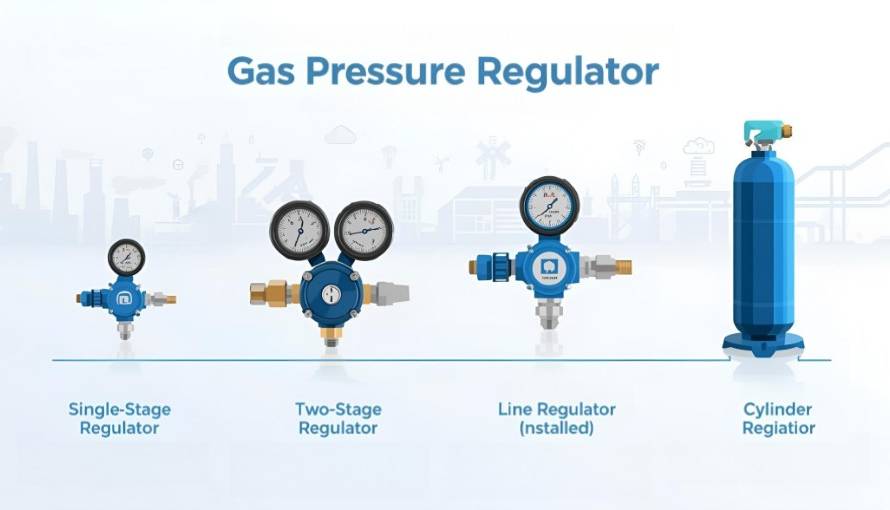
A gas cylinder regulator plays a critical role in ensuring the safe and efficient use of LPG and other gases. Whether it’s in a household kitchen, restaurant, or industrial plant, regulators reduce high cylinder pressure to a steady, usable flow for appliances.
However, like any mechanical component, regulators can develop problems over time. Recognising the symptoms early and knowing how to fix them can prevent gas leaks, poor performance, and safety hazards.
In this guide, we’ll cover the most common gas regulator problems, their causes, and practical solutions.
Why Gas Regulators Are So Important
Without regulators, LPG and natural gas would flow at dangerously high pressure. A gas pressure regulator ensures:
- Safety – prevents over-pressurisation and leaks.
- Performance – keeps appliances working at the right flame level.
- Efficiency – avoids gas wastage.
👉 To learn more about how different regulators work, read our article: Are All LPG Gas Regulators the Same?
Common Gas Regulator Problems and Fixes
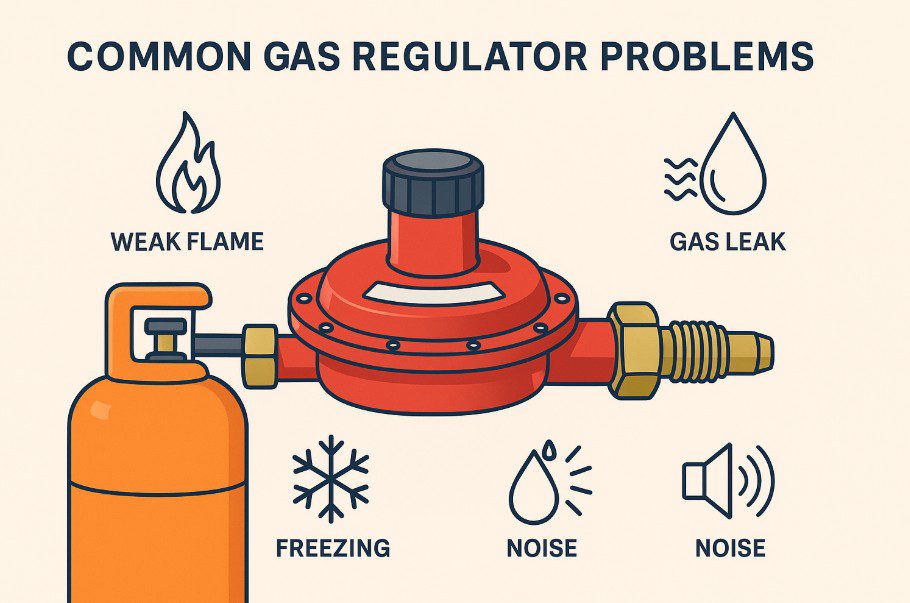
1. Weak or Low Flame
Symptoms:
- Flame on the stove or burner is small, unstable, or takes longer to heat.
Possible Causes:
- Blocked regulator diaphragm or inlet screen.
- Low cylinder pressure (nearly empty).
- Wrong type of regulator for the appliance.
Fix:
- Check the cylinder level; replace if nearly empty.
- Inspect the regulator and clean the inlet filter.
- Upgrade to a regulator with the correct pressure rating (e.g., Comet Domestic Gas Regulator 628C).
2. High or Uncontrolled Pressure
Symptoms:
- Flames are unusually large, yellow, or noisy.
- Appliances consume more gas than normal.
Possible Causes:
- Malfunctioning diaphragm or spring.
- Incorrect installation of a high-pressure gas regulator instead of a low-pressure type.
Fix:
- Shut off gas supply immediately.
- Replace the regulator with a certified model like the 628H High Pressure Gas Regulator if high-pressure use is intended.
- For domestic use, ensure you are using the right LPG gas regulator type.
3. Gas Leaks
Symptoms:
- Smell of gas near the regulator or cylinder.
- Hissing sound from regulator connections.
Possible Causes:
- Worn-out seals or O-rings.
- Cracked regulator body.
- Loose cylinder connection.
Fix:
- Apply soapy water to joints; bubbles indicate a leak.
- Tighten connections securely.
- Replace faulty regulators with certified units such as the RG025 Gas Regulator.
⚠️ Important: Never use open flames to detect gas leaks.
4. Regulator Freezing
Symptoms:
- Ice or frost forming on the regulator body.
- Reduced gas flow during cold weather.
Possible Causes:
- High flow demand causing rapid expansion (Joule-Thomson effect).
- Moisture in the gas supply.
Fix:
- Use a regulator designed for higher capacity.
- Install a second-stage regulator like the Solimar 7015 2nd Stage Regulator.
- Keep regulators sheltered from extreme cold.
5. Regulator Lock-Up (No Flow)
Symptoms:
- No gas reaches appliances despite full cylinder.
Possible Causes:
- Faulty internal valve stuck shut.
- Over-pressure protection device triggered.
Fix:
- Reset the regulator by shutting off gas supply, waiting, and reopening slowly.
- If still locked, replace the regulator.
6. Humming or Vibrating Noises
Symptoms:
- Strange humming, whistling, or vibration from the regulator.
Possible Causes:
- High gas flow causing diaphragm oscillation.
- Incorrect regulator sizing.
Fix:
- Check that the regulator matches appliance demand (see Gas Pressure Regulator Selection Guide).
- Replace with correctly sized regulator.
Preventive Maintenance Tips
To avoid common problems:
- Inspect hoses and regulators every 6–12 months.
- Replace regulators every 5–10 years, even if no visible damage.
- Keep regulators clean and dry.
- Use only certified regulators from trusted suppliers like Comet Integrated.
👉 Browse our full range of gas regulators for domestic, commercial, and industrial applications.
LPG vs. Other Regulator Types
Not all regulators are interchangeable:
- LPG Gas Regulators: For propane or butane cylinders.
- Natural Gas Regulators: Designed for piped supply.
- High-Pressure Regulators: For industrial burners and blowtorches.
👉 Learn more here: LPG Gas Regulator.
When to Replace Your Gas Regulator
Replace your regulator if you notice:
- Persistent leaks
- Cracks or corrosion
- Weak flame despite new cylinder
- Age beyond 10 years
Timely replacement ensures safety, efficiency, and compliance with standards.
FAQs About Gas Regulator
Why is my gas regulator leaking?
Leaks are usually caused by worn seals, a damaged diaphragm, loose fittings, or corrosion. Immediate inspection is required to prevent fire risk.
What causes gas regulator pressure drop?
Pressure drop may result from diaphragm failure, blocked vents, freezing, low inlet pressure, or incorrect regulator sizing.
How often should I replace my gas cylinder regulator?
Most regulators should be replaced every 5–10 years, depending on usage and manufacturer recommendations.
Can a faulty gas regulator cause explosion?
Yes. A faulty regulator can cause gas leaks or over-pressurisation, increasing fire or explosion risk if not addressed promptly.
Can I repair a faulty regulator myself?
It is not recommended. Regulators are precision devices. Always replace with a certified model instead of DIY repairs.
Why does my LPG gas regulator freeze?
Freezing happens due to rapid gas expansion or moisture in the supply. Using a second-stage regulator often solves the problem.
What’s the difference between a gas pressure regulator and a gas cylinder regulator?
- Gas cylinder regulator: Connects directly to cylinders to reduce high pressure.
- Gas pressure regulator: Broader category, includes both cylinder and pipeline regulators.
What regulator is best for home use?
A low-pressure LPG regulator like the Comet Domestic Gas Regulator 628C is ideal for household stoves and heaters.
Final Thoughts
A gas cylinder regulator is a small but crucial device in every gas system. When problems arise—whether it’s low flame, freezing, or leaks—quick troubleshooting can make the difference between smooth operation and serious safety hazards.
By choosing the right type of gas pressure regulator and replacing it when needed, you can ensure safe, efficient, and long-lasting gas usage.
At Comet Integrated, we supply a wide range of certified regulators for domestic, commercial, and industrial applications. Whether you need a domestic LPG gas regulator or a high-pressure regulator, our experts can guide you to the right solution.
👉 Explore our gas regulator selection guide or contact us today for professional advice.