

Portable Gas Detectors: The Complete Buyer’s Guide for Malaysian Industries (2026 Edition)
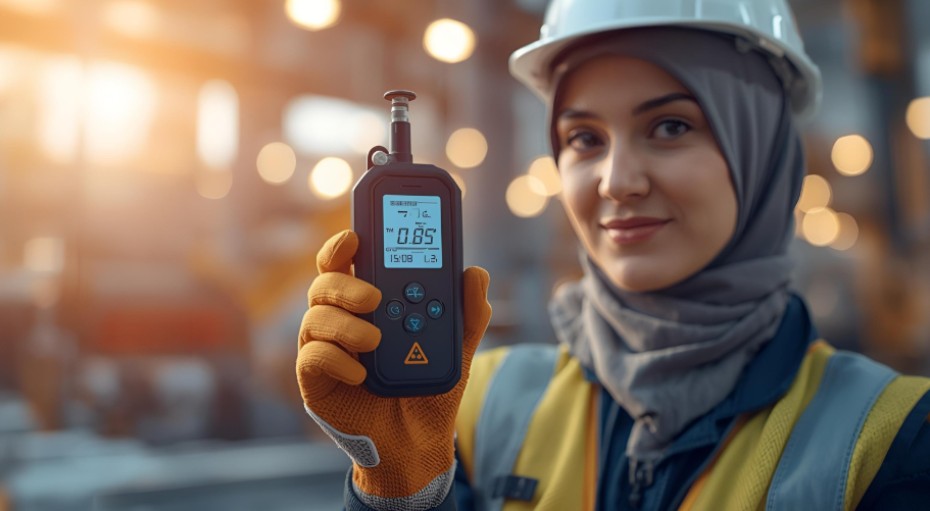
Ensuring workplace safety has become a top priority for Malaysian industries, especially in environments where hazardous gases may be present.
As gases like carbon monoxide (CO), hydrogen sulfide (H₂S), methane (CH₄), and volatile organic compounds (VOCs) continue to pose risks, portable gas detectors have become essential tools for frontline workers, safety officers, and confined space teams.
If you’re evaluating the best gas detection tools for your facility, this comprehensive 2026 buyer’s guide will help you understand how portable gas detectors work, the types available, key features to consider, and how to select the right model for your industry.
To start with the fundamentals, you can also explore how general gas detection works in Malaysia on our main page: Gas Detector Malaysia.
What Are Portable Gas Detectors?
Portable gas detectors are handheld or wearable devices that continuously monitor the presence of dangerous gases in the surrounding environment. Unlike fixed gas detection systems that are mounted in one location, portable detectors follow the user, providing real-time readings in areas where gas leaks or atmospheric hazards may suddenly occur.
If you’ve ever wondered about the difference between gas detectors and gas monitors, we recommend reading our guide here:
👉 Gas Detector vs Gas Monitor Malaysia
Portable gas detectors are widely used for:
- Personal protection
- Confined space entry
- Maintenance work
- Emergency response
- Gas leak investigations
For applications specifically focused on gas leaks, you may also explore our dedicated article:
👉 Gas Leak Detector Malaysia
Why Portable Gas Detectors Matter for Malaysian Industries
Malaysia’s industrial landscape includes oil & gas, petrochemical plants, water treatment facilities, semiconductor factories, food manufacturing, construction sites, and LPG-related industries. All of these environments face unique gas hazards that can lead to fires, explosions, health risks, or oxygen depletion.
Portable gas detectors help Malaysian worksites:
- Comply with DOSH and OSHA standards
- Improve safety during maintenance or repair work
- Protect workers entering confined spaces
- Detect gas leaks early
- Prevent accidents before they escalate
Since gas hazards can occur unexpectedly, portable gas detectors act as a constant safety companion.
How Portable Gas Detectors Work
Modern portable gas detectors are equipped with advanced sensors that detect gases at various concentrations in the air. They typically use one or more of the following sensor technologies:
Electrochemical Sensors
Used for detecting toxic gases like CO and H₂S.
Catalytic Bead Sensors
Common for combustible gases such as methane and propane.
Infrared (IR) Sensors
Highly stable for CO₂ and hydrocarbon gases.
PID (Photoionization Detectors)
Used for detecting VOC gases in industries like chemical plants and manufacturing.
When gas levels exceed safe limits, the detector immediately triggers alarms:
- Audible alarm
- Visual flashing lights
- Vibrating alert
If you’re just getting started, you can explore the basics in our dedicated overview:
👉 Portable Gas Detector
Types of Portable Gas Detectors (2026 Overview)
Depending on your workplace hazards, you may need different types of portable detectors. Here are the main categories:
1. Single-Gas Detectors
Ideal for applications where workers are exposed to one main gas hazard.
Recommended single-gas model:
👉 Hanwei GTQ-BS01
Compact, lightweight, and suitable for personal monitoring.
2. Multi-Gas Detectors
These detectors monitor up to four or five gases simultaneously — typically O₂, H₂S, CO, and combustible gases.
Popular multi-gas model:
👉 Hanwei GTQ-WD6200
Great for confined spaces, maintenance work, and industrial inspections.
3. VOC / PID Portable Gas Detectors
Used primarily in chemical plants, labs, and environments with organic vapours.
Industry-trusted model:
👉 SE155 Tecnocontrol Portable Gas Detector
4. Compact Clip-On Detectors
These smaller detectors clip onto a worker’s shirt or belt and operate continuously.
Entry-level model:
👉 JL269 Hanwei Portable Gas Detector
5. Browse All Portable Gas Detectors
If you’re comparing models across different gas types, browse our full range:
👉 Portable Gas Detector Category
Essential Features to Look for (2026 Buyer Priorities)
Choosing the right portable gas detector means understanding which features matter most for safety and performance. Here are the key factors:
1. Sensor Accuracy & Reliability
Look for devices with stable, long-lasting sensors.
2. Battery Life
A full work shift requires at least 8–12 hours of continuous battery runtime.
3. IP Ratings & Durability
Industrial environments often require devices with IP65 or IP67 ratings.
4. Alarm Response Time
Fast alarm activation protects workers from sudden gas exposure.
5. Compliance with Malaysian Standards
Devices should meet DOSH and international standards (IECEx, ATEX).
6. Calibration & Maintenance Needs
Refer to our detailed calibration guide here:
👉 Gas Detector Malaysia: FAQ, Calibration & Safety
7. Connectivity & Data Logging
Ideal for reporting, audits, and incident investigations.
Portable Gas Detectors for Confined Space Safety in Malaysia
Confined spaces — such as tanks, pits, silos, and underground chambers — pose the highest level of gas danger.
Common hazards include:
- Low oxygen (O₂ deficiency)
- High oxygen (fire risk)
- Hydrogen sulfide (H₂S)
- Methane (CH₄)
- Carbon monoxide (CO)
Before entering confined spaces, workers must test the atmosphere using a multi-gas detector such as:
👉 Hanwei GTQ-WD6200
Calibration, Bump Testing & Maintenance
To ensure accuracy and reliability, portable gas detectors require:
- Daily bump tests
- Regular calibration (typically monthly or quarterly)
- Periodic sensor replacement
For a full breakdown of calibration and testing best practices:
👉 Gas Detector Malaysia – FAQ & Calibration
Portable Gas Detector Pricing in Malaysia (2026 Guide)
Pricing varies based on the sensor type, number of gases, and features.
Estimated Price Ranges:
- Single-gas detectors: RM300 – RM800
- Multi-gas detectors: RM1,500 – RM4,500
- VOC/PID detectors: RM5,000 – RM12,000
- Clip-on personal detectors: RM250 – RM700
Maintenance, calibration, and sensor replacement costs should also be considered.
Portable vs Fixed Gas Detectors – Which One Do You Need?
Portable and fixed systems are designed for different purposes.
For a deeper comparison, read our full guide:
👉 Portable vs Fixed Gas Detectors Malaysia
If your business needs advice on choosing the most suitable system:
👉 Choose the Best Gas Detection System for Your Business
Many facilities use both — fixed detectors for 24/7 monitoring, and portable detectors for mobile workers.
How to Choose the Right Portable Gas Detector for Your Industry
Different industries require detectors suited to their specific hazards.
Oil & Gas / Petrochemical
Multi-gas detectors + VOC detection.
Manufacturing & Industrial Plants
Multi-gas or single-gas detectors depending on process hazards.
Food & Beverage Facilities
CO₂ detectors and combustible gas detectors.
Construction & Engineering
Compact, rugged personal detectors.
Confined Space Teams
Four-gas detectors with pump capability.
Browse all available detectors for your industry here:
👉 Portable Gas Detector Range
Final Checklist Before You Buy (2026 Edition)
Before choosing a portable gas detector, ensure your device has:
✔ The correct sensors for your hazard
✔ Reliable alarms (sound, visual, vibration)
✔ Sufficient battery life
✔ Calibration support in Malaysia
✔ Local warranty and after-sales service
✔ Compliance with DOSH, IECEx, ATEX, or equivalent standards
Frequently Asked Questions (FAQ) About Portable Gas Detector
What is the difference between a portable gas detector and a fixed gas detector?
A portable gas detector follows the worker and monitors gas exposure during tasks, while a fixed detector is installed permanently to provide 24/7 monitoring in one area.
How often should a portable gas detector be calibrated?
Most manufacturers recommend monthly or quarterly calibration. Daily bump testing is also recommended to ensure sensors respond correctly.
Which industries in Malaysia commonly use portable gas detectors?
Industries include oil & gas, petrochemical plants, wastewater treatment, manufacturing, food processing, construction, and confined space operations.
How do I choose the right portable gas detector for my workplace?
Identify the gas hazards present, determine whether you need single-gas or multi-gas detection, check for DOSH/ATEX/IECEx certifications, and review durability and battery life.
What gases can portable gas detectors detect?
Depending on the model, they can detect oxygen levels, combustible gases, hydrogen sulfide (H₂S), carbon monoxide (CO), carbon dioxide (CO₂), VOCs, and other toxic gases.
Conclusion
Portable gas detectors remain one of the most important safety tools for Malaysian industries in 2026. Whether you’re protecting workers in confined spaces, inspecting pipelines, or monitoring industrial processes, choosing the right detector can prevent accidents and save lives.
To explore the full range of gas detection solutions available in Malaysia, visit our homepage:
👉 Comet Integrated
Disclaimer
This article is intended for general informational purposes only. Always consult a qualified professional or certified gas technician before performing installation, repair, or calibration of gas detection systems. Improper handling of gas lines or detectors can result in serious injury or damage.