

Common Mistakes When Using Portable Gas Detectors (And How to Avoid Them)
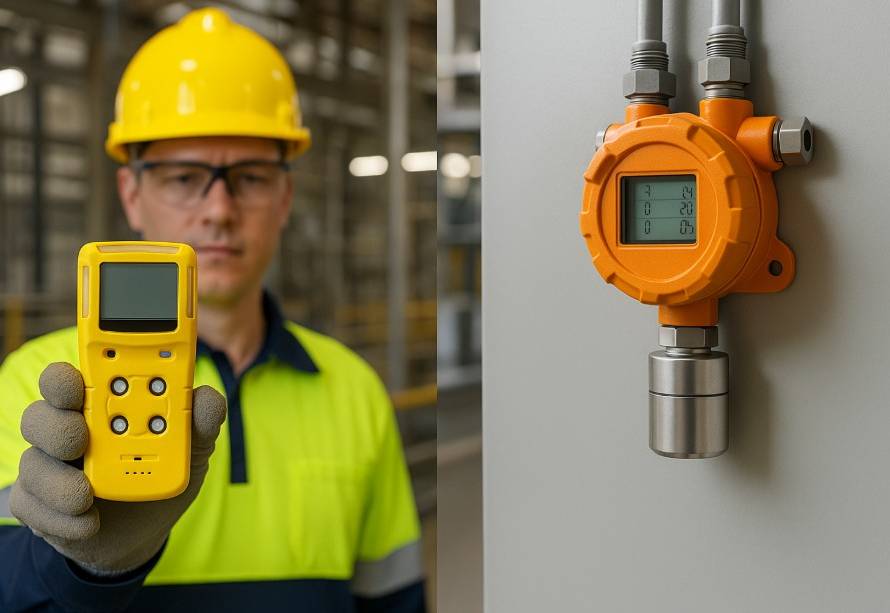
Portable gas detectors play a vital role in ensuring workplace safety — alerting users to the presence of toxic or combustible gases before they reach dangerous levels. But like any safety tool, even the best portable gas detector is only as reliable as the way it’s used.
Incorrect handling, skipped maintenance, or improper calibration can cause inaccurate readings and increase the risk of exposure. In this article, we’ll explore the most common mistakes users make with portable gas detectors, and more importantly, how to avoid them to ensure long-term reliability and safety compliance in Malaysia.
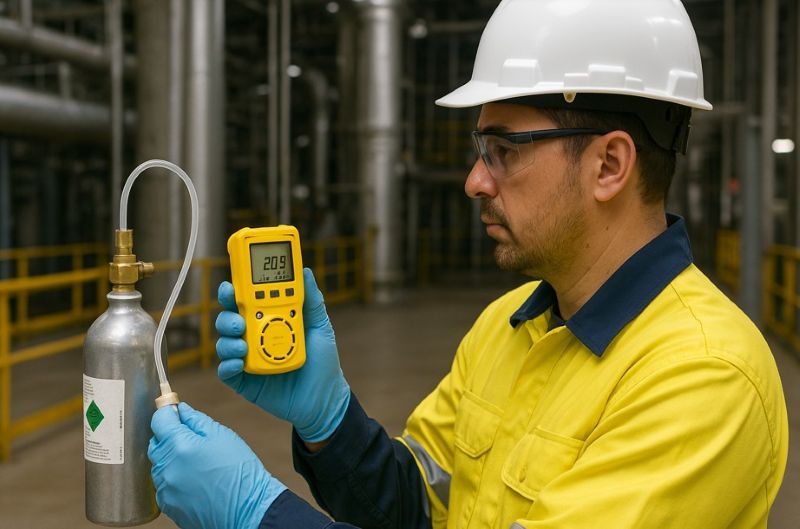
Skipping Regular Calibration
One of the most frequent mistakes is assuming a detector will stay accurate forever. In reality, sensors drift over time due to environmental factors like humidity, temperature, and gas exposure.
When calibration is skipped, readings become unreliable — creating a false sense of safety.
✅ How to Avoid It
- Perform calibration every 3–6 months (or as recommended by the manufacturer).
- Always use certified calibration gas with the correct concentration.
- For convenience, consider detectors with auto-calibration features such as the SE155 Tecnocontrol Portable Gas Detector.
- Keep calibration logs to ensure compliance with Malaysian safety standards.
If you’re unsure how often to calibrate, our Portable vs Fixed Gas Detectors Malaysia article provides a detailed guide.
Ignoring Daily Bump Tests
A bump test is a quick check that ensures the detector’s sensors and alarms are working properly. Many users overlook this simple step, especially before entering confined spaces.
Skipping bump tests means you might be carrying a device that looks functional but won’t respond to real gas exposure.
✅ How to Avoid It
- Perform a bump test before each use, especially in high-risk environments.
- Use a small sample of test gas to confirm alarms and sensors respond correctly.
- If the detector fails, recalibrate it before use.
For practical testing guidelines, check the specifications of the JL269 Hanwei Portable Gas Detector.
Not Charging the Battery Properly
A low or unstable battery can affect detector performance. Many users forget to charge their detectors fully or leave them on charge for too long, which reduces battery lifespan.
✅ How to Avoid It
- Charge the detector after each shift or as per usage cycle.
- Avoid overcharging — unplug once the battery is full.
- For long-term storage, keep the battery at around 50% charge.
Modern models like the SE192KG Tecnocontrol Gas Detector are designed with energy-efficient features to ensure longer uptime during field operations.
Using the Wrong Detector for the Job
Not all gas detectors are created equal. Some are designed for specific gases, while others are multi-gas models. Using the wrong detector can lead to false readings or complete failure to detect certain gases.
For instance, a detector configured for carbon monoxide won’t necessarily detect hydrogen sulphide or methane.
✅ How to Avoid It
- Verify that your detector is compatible with the target gases in your facility.
- Review your site’s safety data sheets (SDS) to identify potential hazards.
- Use multi-gas detectors like the Hanwei GTQ-BS01 if multiple gases are present.
Explore Comet’s full range of Portable Gas Detectors for different industrial applications.
Neglecting Sensor Maintenance
Sensors are the heart of every gas detector — and also the most vulnerable components. Dust, oil, or condensation can clog sensors, while chemical contaminants can reduce their lifespan.
When sensors become dirty or corroded, they fail to respond to gas exposure.
✅ How to Avoid It
- Clean your detector regularly using a dry cloth (avoid solvents).
- Store detectors in cool, dry environments away from chemicals.
- Replace sensors every 2–3 years, or when calibration fails repeatedly.
For maintenance tips, refer to Gas Detector vs Gas Monitor Malaysia to understand performance differences between models.
Storing the Detector Incorrectly
It’s easy to toss a detector into a toolbox or vehicle after use — but poor storage conditions can damage sensors, screens, and batteries.
Exposing the device to high humidity or extreme temperatures can cause condensation inside the housing, leading to inaccurate readings or corrosion.
✅ How to Avoid It
- Store your portable detector in a protective case when not in use.
- Avoid leaving it in direct sunlight, wet environments, or dusty areas.
- Check the device before each use, especially after long storage periods.
Proper storage practices prolong your detector’s lifespan and reduce maintenance costs.
Misunderstanding Alarm Settings
Every gas detector has preset alarm thresholds based on gas type and concentration. Some users change these settings without understanding local safety standards, which may result in alarms not triggering soon enough.
✅ How to Avoid It
- Always follow manufacturer-recommended alarm limits or those set by Malaysian safety regulations.
- Do not disable or lower alarms to avoid “nuisance beeping.”
- Train your team on what each alarm means — high, low, and time-weighted exposure.
Accurate alarm settings ensure the detector warns users before conditions become unsafe.
Failing to Log Calibration and Maintenance Data
Gas detection systems are subject to audit requirements under occupational safety standards. Without documented proof of calibration or maintenance, businesses risk non-compliance or insurance complications.
✅ How to Avoid It
- Record every calibration, bump test, and battery replacement.
- Use digital maintenance tracking tools if available.
- Keep certificates from authorised calibration services for compliance verification.
Comet’s Gas Leak Detector Malaysia page includes additional insights into compliance and safety best practices.
Ignoring Environmental Interference
Environmental conditions such as humidity, airborne chemicals, or pressure changes can affect sensor readings. For example, silicone compounds or solvents may block electrochemical sensors.
✅ How to Avoid It
- Avoid using gas detectors near paint, silicone, or cleaning agents.
- Keep filters clean and dry.
- For highly humid areas, use models designed for moisture resistance.
Regular inspection and correct storage can help maintain consistent accuracy, even in tropical climates like Malaysia.
Overlooking Training and User Familiarity
Even the most advanced detector can fail if the operator doesn’t know how to use it correctly. Many incidents occur not because of faulty equipment but due to human error — misunderstanding readings, silencing alarms, or misinterpreting warning lights.
✅ How to Avoid It
- Conduct regular training sessions for all users.
- Teach how to interpret readings, perform bump tests, and respond to alarms.
- Encourage workers to report unusual behaviour or false alarms immediately.
Proper training transforms gas detection from a compliance task into a true safety culture.
Assuming Portable Detectors Don’t Need Maintenance
Because portable detectors are small and easy to use, some operators assume they’re maintenance-free. In reality, portable models often require more frequent calibration and battery checks than fixed units.
✅ How to Avoid It
- Treat your portable gas detector as a critical safety instrument, not a convenience tool.
- Follow the same inspection and calibration schedule as fixed detectors.
- Learn how to test and maintain portable units properly — see Portable Gas Detector for guidance.
Not Upgrading Outdated Models
Technology in gas detection evolves quickly. Older detectors might not support new gas types, auto-calibration, or digital logging features. Using outdated devices may put your team at unnecessary risk.
✅ How to Avoid It
- Replace detectors after 5 years or sooner if maintenance costs rise.
- Look for features like real-time data, Bluetooth connectivity, and multi-gas detection.
- Newer options such as the SE155 Tecnocontrol Portable Gas Detector and JL269 Hanwei Portable Gas Detector offer advanced accuracy and durability for Malaysian conditions.
Summary: Consistent Care Equals Reliable Safety
A portable gas detector is your first line of defence against invisible hazards — but only if used and maintained correctly. Avoiding these common mistakes can dramatically improve reliability, safety compliance, and worker confidence.
Regular calibration, proper storage, and ongoing training turn gas detection into a proactive safety culture rather than a box-ticking exercise.
For expert guidance and industrial-grade solutions, explore Comet Integrated’s Portable Gas Detector Collection — trusted by facilities across Malaysia for precision and durability.
Disclaimer
This article is intended for general informational purposes only. Always consult a qualified professional or certified gas technician before performing installation, repair, or calibration of gas detection systems. Improper handling of gas lines or detectors can result in serious injury or damage.