

What Is a Gas Meter and How Does It Work?
A gas meter is a device used to measure the amount of gas consumed in residential, commercial, and industrial systems. It records gas flow so that energy providers and facility operators can monitor usage accurately.
Gas meters play a critical role in:
- Ensuring accurate billing
- Maintaining safe gas distribution
- Supporting energy efficiency monitoring
- Helping industries control process gas consumption
They are commonly installed in homes, factories, commercial buildings, and gas distribution networks to measure gases such as:
- Natural gas
- Liquefied petroleum gas (LPG)
- Biogas
- Industrial process gases
Without reliable gas measurement, organisations would struggle to track energy usage, detect leaks, or maintain regulatory compliance.
Understanding how a gas meter works helps engineers, facility managers, and homeowners make better decisions when selecting the right gas measurement system.
What Is a Gas Meter?
A gas meter is a device that measures the volume of gas consumed in residential, commercial, or industrial systems. It records gas flow over time to ensure accurate billing, energy monitoring, and safety compliance.
Gas meters are designed to measure various types of gases, including natural gas, LPG, and biogas. In residential environments, utility companies typically install standard meters to measure household consumption.
In industrial settings, specialised industrial gas meters are used to handle higher flow rates, pressure variations, and more complex gas monitoring requirements.
Beyond billing purposes, gas meters also support energy management systems by providing consumption data that helps optimise gas usage, detect leaks, and improve operational efficiency.
How Does a Gas Meter Work?
Gas meters operate by measuring the volume of gas that passes through the device. While the internal technology may vary depending on the meter type, the fundamental principle remains the same: gas flow is converted into measurable data that represents the total gas consumption.
The Basic Measurement Principle
When gas flows through the pipeline, it passes through the gas meter before reaching the appliance or industrial process. Inside the meter, the flow of gas causes internal mechanical or electronic components to move. These movements are then translated into a readable measurement displayed on the meter’s register or digital display.
In simple terms, the process works as follows:
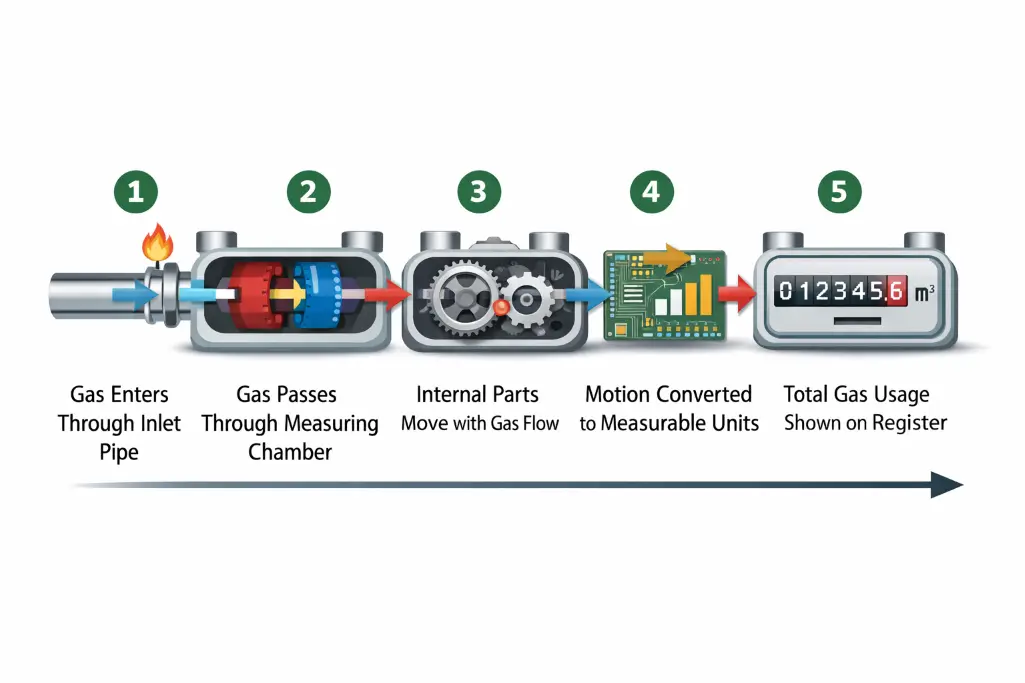
Gas flows through the meter → internal mechanism moves → movement is converted into measurable units → total gas usage is recorded.
Some modern meters also compensate for temperature and pressure changes to ensure measurement accuracy, particularly in industrial applications where gas conditions may fluctuate.
Key Internal Components of a Gas Meter
A gas meter contains several components that work together to measure gas flow accurately:
Measuring Chamber
The space where gas flow is measured. It controls the gas movement and allows the meter to calculate volume.
Diaphragm or Rotor
Mechanical components that move when gas passes through the meter, helping measure the gas volume.
Turbine Mechanism
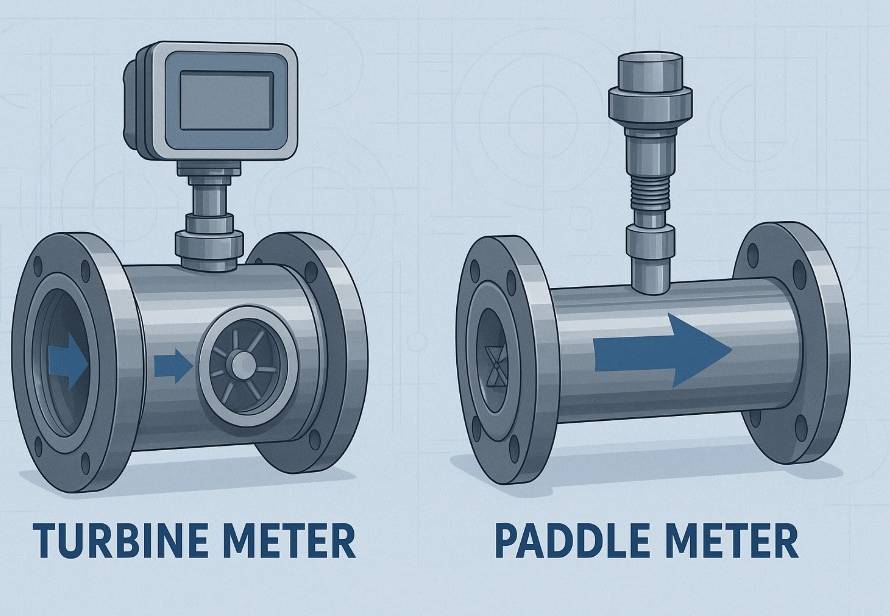
Used in high-capacity systems such as turbine gas meters, where gas flow spins a turbine to measure volume.
Index Register
Displays the accumulated gas consumption, either through mechanical dials or digital displays.
Sensors
Found in smart meters to monitor flow, temperature, and pressure conditions.
Temperature and Pressure Compensator
Ensures accurate readings by adjusting measurements based on environmental conditions.
Together, these components allow gas meters to deliver precise and reliable measurements across different operating conditions.
Main Types of Gas Meters Explained
Different applications require different gas metering technologies. The type of gas meter selected depends on factors such as flow rate, gas pressure, installation environment, and measurement accuracy requirements.
1. Diaphragm Gas Meter
Diaphragm gas meters are the most common type used in residential buildings. They measure gas flow through flexible diaphragms that expand and contract as gas passes through the chambers.
These meters are highly accurate at low flow rates and are widely used for household gas consumption monitoring.
2. Rotary Gas Meter
Rotary gas meters are commonly used in industrial environments where gas demand is higher. They use rotating impellers to measure the volume of gas passing through the meter.
Their compact design and high accuracy make them suitable for factories, commercial buildings, and medium-capacity gas pipelines.
3. Turbine Gas Meter
A turbine gas meter is designed for high-capacity gas measurement. Gas flowing through the meter spins a turbine rotor, and the rotational speed is directly proportional to the gas flow rate.
These meters are commonly used in gas distribution systems, energy facilities, and large industrial operations where high flow rates must be measured accurately.
4. Ultrasonic or Smart Gas Meter
Ultrasonic gas meters represent the latest advancement in gas metering technology. Instead of mechanical components, they use ultrasonic sensors to measure gas velocity.
These meters provide digital data output, remote monitoring capability, and integration with smart energy management systems.
Gas Meter Comparison Table
Type of Gas Meter | Best For | Flow Capacity | Accuracy Level | Digital Output |
Diaphragm Gas Meter | Residential buildings, small commercial premises | Low to medium flow rates | High accuracy at low flow | No (Mechanical register) |
Rotary Gas Meter | Industrial facilities, factories, medium pipelines | Medium to high flow rates | Very high accuracy across wide range | Optional (pulse output) |
Turbine Gas Meter | Gas distribution networks, large industrial systems | High flow rates | High accuracy at steady flow | Optional electronic index |
Ultrasonic Gas Meter | Smart metering, energy management systems | Medium to very high flow | Extremely high accuracy | Yes (fully digital) |
Thermal Mass Gas Meter | Process control and gas monitoring | Low to high flow | High accuracy for specific gases | Yes |
Structured comparisons like this help engineers and facility managers select the most appropriate industrial gas meter for their operational needs.
Why Is Gas Meter Accuracy Important?
Gas meter accuracy is essential for several operational and regulatory reasons.
First, accurate measurement ensures fair billing for both utility providers and consumers. Even small measurement errors can lead to significant financial discrepancies over time.
Second, industrial facilities rely on precise gas measurements to maintain stable production processes. Incorrect gas flow readings can disrupt manufacturing systems, reduce efficiency, or increase operational costs.
Third, accurate gas meters help detect potential gas leaks or irregular consumption patterns, improving safety and preventing hazardous incidents.
Finally, gas meters must comply with international standards such as OIML and ISO calibration requirements, as well as local gas authority regulations. These standards ensure that meters provide consistent and reliable measurements across different operating environments.
How to Read a Gas Meter
Reading a gas meter is relatively straightforward once you understand how the display works.
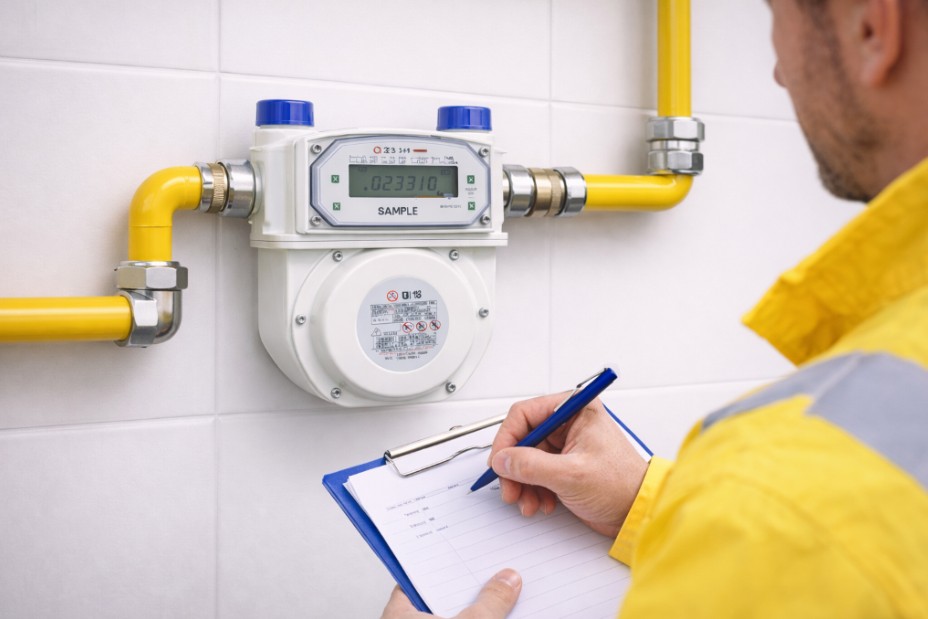
Most traditional gas meters use mechanical dials that display the total gas consumption in cubic meters or cubic feet. Each dial represents a specific unit of measurement, and the numbers increase as gas flows through the meter.
Modern digital meters display readings on an electronic screen, often showing the exact gas volume used along with additional data such as temperature and pressure.
Gas consumption is typically billed based on the total volume recorded over a billing cycle. Utility companies then convert this volume into energy units to calculate the cost of gas usage.
Common Gas Meter Issues and Warning Signs
Like any mechanical or electronic device, gas meters may occasionally develop issues. Recognising early warning signs can help prevent safety risks and operational disruptions.
Inaccurate readings
Gas meters that display inconsistent or unrealistic readings may require recalibration or replacement.
Pressure drop
A sudden reduction in gas pressure may indicate a blockage or malfunction inside the meter.
Gas leakage
If a gas smell is detected near the meter, immediate inspection by a certified technician is required.
Unusual noise
Grinding or vibration noises from the meter may suggest mechanical wear.
Ageing components
Over time, internal parts can degrade, affecting measurement accuracy.
Regular inspection and maintenance help ensure the meter continues to operate safely and reliably.
How Long Does a Gas Meter Last?
The lifespan of a gas meter depends on its type, usage conditions, and maintenance schedule. On average, most gas meters last between 10 and 20 years.
Residential meters generally operate under stable conditions and may remain functional for longer periods. However, industrial meters often experience higher flow rates and environmental stress, which may shorten their service life.
Routine calibration and periodic inspection are recommended to maintain accuracy. Signs that a gas meter may need replacement include inconsistent readings, visible damage, or outdated calibration certification.
Gas Meter Safety Standards and Regulations
Gas meter installation and operation must follow strict safety standards to prevent accidents and ensure reliable measurement.
Installation should always be performed by certified technicians who understand gas system requirements. Proper ventilation, secure mounting, and correct pipe connections are essential to prevent gas leaks.
In industrial environments, meters may also need to comply with explosion-proof equipment standards, especially when installed in hazardous areas.
Additionally, gas meters must meet the regulatory requirements of local gas authorities, ensuring they are approved for commercial and industrial use.
These safety measures help protect both personnel and equipment while maintaining reliable gas distribution systems.
Conclusion
Gas meters are essential devices for measuring gas consumption accurately and safely. From residential homes to complex industrial systems, they play a crucial role in ensuring fair billing, monitoring energy usage, and maintaining operational efficiency.
Understanding how a gas meter works, the different meter types available, and the importance of proper maintenance can help users select the most suitable system for their needs. Whether choosing a residential meter or a high-capacity industrial gas meter, accuracy and reliability should always be the top priorities.
For businesses managing large gas systems, selecting the right metering technology such as a turbine gas meter or advanced smart meter, can significantly improve operational control and energy efficiency.
If you are planning to install or upgrade a gas measurement system, it is also useful to explore guides on choosing the right gas meter and understanding proper installation practices to ensure long-term performance and safety.
Frequently Asked Questions About Gas Meters
How accurate is a gas meter?
Most modern gas meters are highly accurate, typically maintaining measurement accuracy within ±1–2%. Industrial meters may include temperature and pressure compensation to improve precision under varying operating conditions.
Can one gas meter measure different gases?
Some gas meters can measure multiple gases, but calibration must match the specific gas type. Different gases have varying densities and flow characteristics, so specialised meters may be required for optimal accuracy.
How often should a gas meter be calibrated?
Calibration frequency depends on regulatory requirements and usage conditions. Industrial gas meters are commonly calibrated every one to three years to maintain measurement accuracy.
What happens if a gas meter is faulty?
A faulty gas meter may produce incorrect readings or stop recording consumption. In such cases, the meter should be inspected and replaced by qualified technicians to ensure safe operation.
Are smart gas meters better than traditional ones?
Smart gas meters offer advantages such as remote monitoring, digital data output, and improved energy management capabilities. However, traditional meters remain reliable and cost-effective for many applications.
How do I know if my gas meter needs replacement?
Common indicators include inconsistent readings, unusual noises, visible damage, or expired calibration certification. If any of these issues occur, professional inspection is recommended.
Disclaimer
This article is intended for general informational purposes only. Always consult a qualified professional or certified gas technician before performing installation, repair, or calibration of gas detection systems. Improper handling of gas lines or detectors can result in serious injury or damage.