

LPG Gas Regulator Safety Guidelines: What Every User Must Know
Liquefied Petroleum Gas (LPG) is widely used across homes, commercial kitchens, caravans, industrial facilities, and holiday parks due to its efficiency and convenience. However, like any pressurised fuel system, LPG requires proper handling and safety awareness. One of the most critical components in any LPG system is the LPG gas regulator.
A regulator controls the pressure of gas flowing from the cylinder to appliances, ensuring a stable and safe supply. When regulators are poorly maintained, incorrectly installed, or used beyond their lifespan, they can pose serious safety risks such as gas leaks, appliance malfunction, or even fire hazards.
Understanding how LPG regulators work and how to maintain them properly is essential for anyone using LPG systems.
Understanding the Role of an LPG Gas Regulator
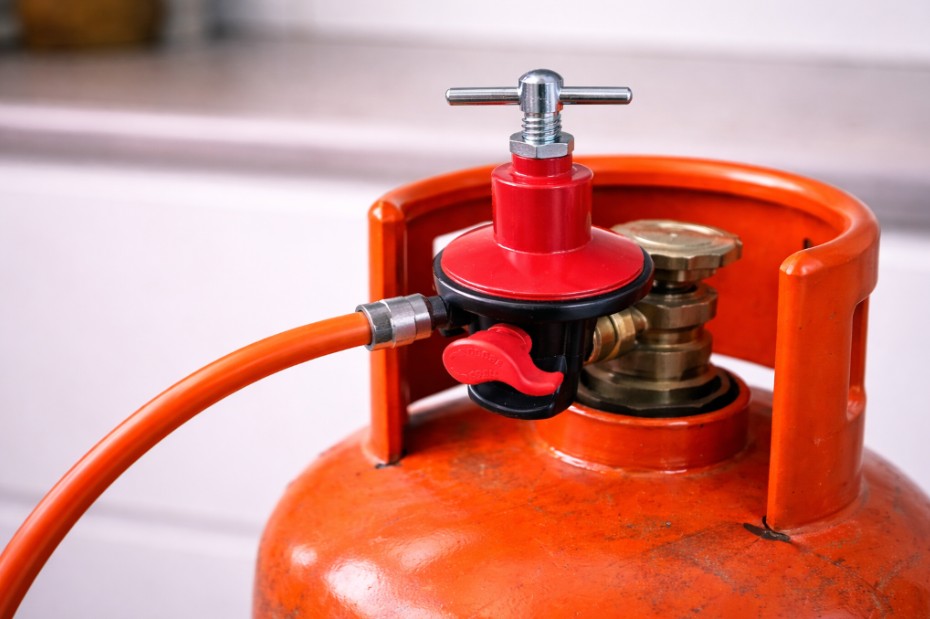
An LPG gas regulator is designed to reduce the high pressure of gas stored inside LPG cylinders into a lower, controlled pressure suitable for appliances.
Without a regulator, the gas pressure coming directly from the cylinder would be far too strong and dangerous for equipment such as:
- Gas stoves
- Heaters
- BBQ grills
- Industrial burners
- Caravan or motorhome appliances
A properly functioning regulator ensures:
- Stable gas pressure
- Efficient appliance performance
- Safe gas flow control
- Reduced risk of leaks or system failures
Why LPG Regulator Safety Matters
LPG regulators operate under continuous pressure and environmental exposure. Over time, wear and tear can affect their performance. Faulty regulators are one of the most common causes of LPG system issues.
Potential risks of poorly maintained regulators include:
- Gas leaks
- Inconsistent gas pressure
- Flame instability
- Equipment damage
- Fire or explosion hazards
Because LPG is highly flammable, maintaining a safe and reliable regulator is not just recommended, it is essential.
Professionals in the gas industry consistently emphasise that regular inspection and correct installation are key factors in preventing LPG accidents.
1. Always Use the Correct Regulator for Your LPG System
Not all regulators are designed for the same applications. Using the wrong regulator can result in improper pressure control and safety issues.
Regulators differ based on:
- Gas pressure rating
- Cylinder connection type
- Appliance requirements
- Indoor or outdoor usage
- Industrial or domestic systems
Selecting the right regulator ensures that gas flows at the correct pressure for your appliances.
If you are unsure whether regulators are interchangeable, this guide explains the differences clearly: Are All LPG Gas Regulators the Same?
Understanding compatibility helps prevent installation mistakes that could compromise system safety.
2. Inspect Regulators Regularly
Routine inspection is one of the simplest ways to prevent gas system failures.
Users should check their LPG regulator periodically for signs of:
- Cracks or damage
- Rust or corrosion
- Gas smell around connections
- Loose fittings
- Unusual hissing sounds
If any of these warning signs appear, the regulator should be replaced immediately.
In professional environments such as restaurants, food trucks, and industrial kitchens, regular maintenance checks should be part of safety protocols.
3. Replace Regulators After Their Recommended Lifespan
Many people continue using regulators for years without realising that they have a recommended service life.
Most LPG regulators should be replaced every 5 to 10 years, depending on the manufacturer’s guidelines and usage conditions.
Over time, internal components such as diaphragms and springs degrade due to:
- Pressure fatigue
- Temperature changes
- Environmental exposure
Using an outdated regulator increases the risk of:
- Pressure fluctuations
- Gas leakage
- Equipment malfunction
When in doubt, replacing the regulator is always safer than continuing to use an ageing component.
4. Ensure Proper Installation
LPG regulators are often installed outdoors or near cooking equipment where they may be exposed to environmental elements.
Common external risks include:
- Rain and moisture
- Direct sunlight
- Grease or oil contamination
- Dust accumulation
- Physical impact
Exposure to these conditions can accelerate wear and compromise regulator performance.
Where possible, regulators should be installed in well-ventilated but protected areas, such as under covers or inside appropriate regulator housing units.
6. Never Attempt DIY Repairs on a Regulator
LPG regulators are precision safety devices. Attempting to repair or modify them without proper training can lead to dangerous malfunctions.
Users should never:
- Open the regulator casing
- Adjust internal pressure components
- Replace internal parts manually
- Modify regulator connections
If a regulator is malfunctioning, replacement is always the safest option.
Professional gas technicians use specialised tools and testing equipment to verify regulator performance.
7. Be Alert to Warning Signs of Regulator Failure
Recognising early warning signs can help prevent accidents.
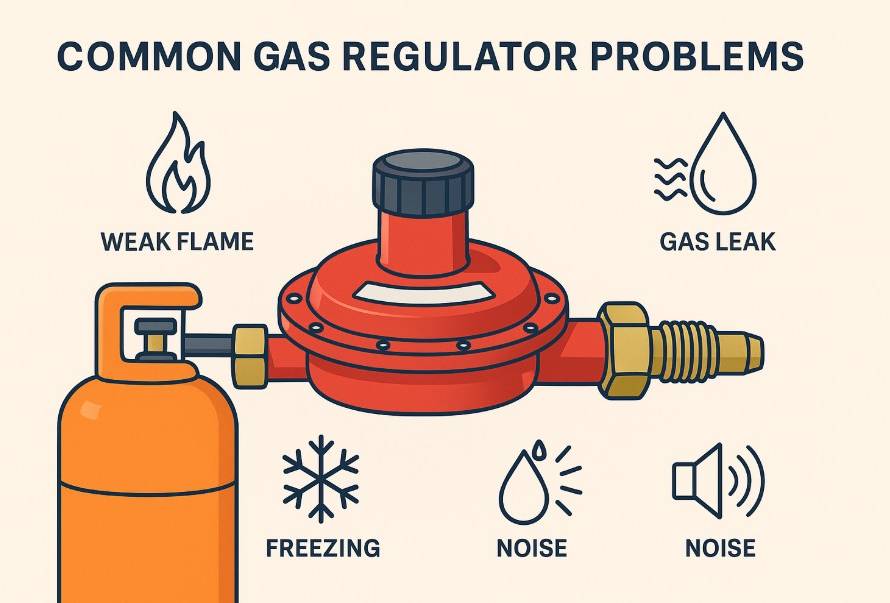
Common symptoms of regulator problems include:
- Weak or inconsistent flames
- Sudden pressure drops
- Gas smell near the regulator
- Hissing sounds
- Difficulty igniting appliances
When any of these signs appear, stop using the LPG system immediately and inspect the regulator.
Prompt action can prevent small issues from becoming serious hazards.
Choosing High-Quality LPG Regulators
Not all regulators are manufactured to the same standards. Using high-quality regulators from reliable suppliers ensures better durability, safety, and consistent performance.
Key features of a reliable LPG regulator include:
- Durable corrosion-resistant materials
- Precision pressure control
- Compliance with international safety standards
- Long service life
- Leak-resistant connections
Businesses and households should prioritise regulators that meet industry certifications and quality control standards.
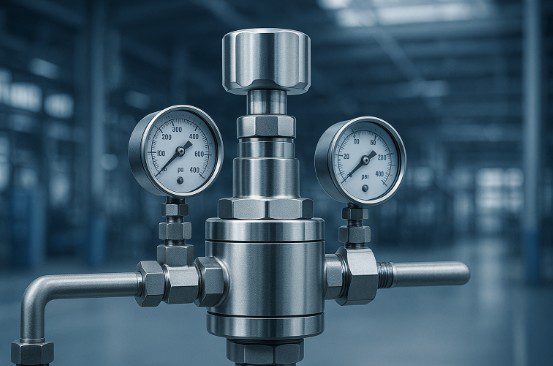
More information may refer: Natural Gas Pressure Regulator Sizing Guide: From Specifications to Installation
Final Thoughts: Safety Starts with the Right LPG Regulator
LPG remains one of the most efficient and practical fuel solutions available today. However, safety must always be the top priority when working with pressurised gas systems.
A well-maintained LPG gas regulator plays a vital role in:
- Controlling gas pressure
- Protecting appliances
- Preventing leaks
- Ensuring safe operation
Choosing the correct regulator for performing regular inspections, and replacing ageing equipment, users can significantly reduce safety risks and ensure reliable LPG system performance.
Need Expert Guidance on LPG Gas Regulators?
Choosing the right LPG regulator and ensuring safe installation can make a significant difference in the performance and safety of your gas system.
If you need professional advice, product information, or customised LPG solutions, feel free to contact us, our experienced team is ready to help.
Frequently Asked Questions (FAQs)
What is an LPG gas regulator and why is it important?
An LPG gas regulator is a device that controls the pressure of gas flowing from an LPG cylinder to gas appliances. LPG cylinders store gas at very high pressure, which is unsafe for direct use. The regulator reduces this pressure to a safe and consistent level, ensuring appliances operate efficiently and safely. Without a regulator, gas appliances could malfunction or become dangerous to use.
How often should an LPG gas regulator be replaced?
Most LPG gas regulators should be replaced every 5 to 10 years, depending on the manufacturer’s recommendation and operating conditions. Over time, internal components such as diaphragms and springs can wear out, affecting pressure control. If you notice signs such as gas leaks, irregular flames, or pressure fluctuations, it is advisable to replace the regulator immediately.
Are all LPG gas regulators the same?
No, LPG gas regulators are not all the same. Different regulators are designed for specific gas pressures, cylinder connections, and applications such as residential cooking, commercial kitchens, or industrial systems. Using the wrong regulator can lead to improper gas flow and safety risks.
What are the warning signs of a faulty LPG regulator?
Common signs that an LPG regulator may be failing include:
- Weak or inconsistent flames
- Difficulty igniting gas appliances
- Hissing sounds near the regulator
- Gas smell around connections
- Sudden drops in gas pressure
If any of these symptoms appear, stop using the system and inspect or replace the regulator immediately.
Can I install or repair an LPG gas regulator myself?
While some LPG regulators can be installed by experienced users, repairs should never be attempted by untrained individuals. LPG regulators are precision safety devices, and improper repairs may cause gas leaks or pressure failures. For safety, it is recommended to replace faulty regulators and consult professionals when necessary.
Disclaimer
This article is intended for general informational purposes only. Always consult a qualified professional or certified gas technician before performing installation, repair, or calibration of gas detection systems. Improper handling of gas lines or detectors can result in serious injury or damage.