

Common Problems Caused by Low-Quality Solenoid Valve Suppliers
Experiencing valve failure or unexpected downtime?
Comet Integrated supplies certified, high-reliability solenoid valves with local stock and direct engineering support.
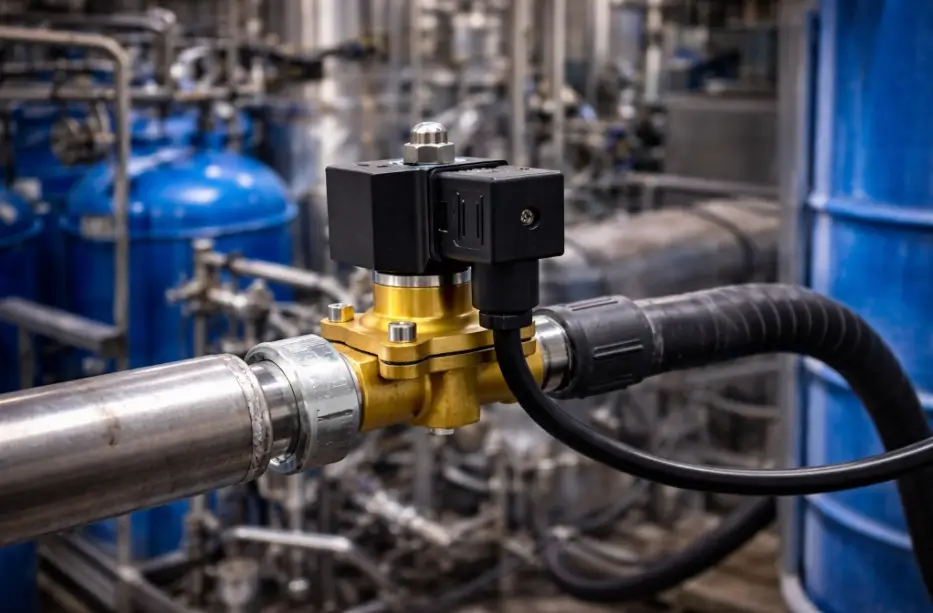
Industrial automation systems rely heavily on precision components to ensure safe and continuous operation. Among these components, solenoid valves play a critical role in controlling the flow of gases and fluids across many industrial processes.
From manufacturing plants and gas distribution systems to chemical processing facilities, these valves regulate pressure, direction, and timing of flow with high accuracy.
However, selecting the wrong solenoid valve suppliers can introduce serious operational risks. While low-cost options may seem attractive initially, poor product quality, inconsistent manufacturing standards, and lack of technical support can lead to system failures, safety hazards, and expensive downtime.
This article highlights the most common problems caused by low-quality suppliers, explains their impact on industrial operations, and outlines how businesses can select reliable suppliers for long-term system stability.
The Hidden Cost of Choosing the Wrong Supplier
Many organisations prioritise price when sourcing industrial components. While reducing procurement cost may appear beneficial in the short term, the true cost of low-quality solenoid valves often appears later in the operational lifecycle.
Solenoid valves are used in applications where precision and reliability are essential. A malfunctioning gas solenoid valve, for example, may disrupt process pressure, cause leaks, or shut down entire production lines.
Low-quality suppliers frequently compromise on several critical aspects:
- Material quality used for valve bodies and seals
- Electromagnetic coil insulation standards
- Manufacturing tolerances and machining accuracy
- Testing procedures and durability validation
- Compliance with industrial certifications
When these factors are overlooked, the result is not merely a faulty component, it is unplanned downtime, maintenance disruption, and potential safety risks.
For industrial operators, the focus should therefore shift from unit price to lifecycle cost and operational reliability.
Coil Burnout: A Common and Costly Failure
What Is Coil Burnout?
A solenoid valve operates using an electromagnetic coil that generates a magnetic field to move an internal plunger. When the coil overheats or its insulation fails, the coil can burn out, resulting in complete valve malfunction.
Causes from Low-Quality Suppliers
Coil burnout is often linked to poor manufacturing standards. Some common issues include:
- Inferior copper winding materials
- Low-grade enamel insulation
- Incorrect voltage specifications
- Poor heat dissipation design
- Lack of thermal protection mechanisms
These design flaws significantly increase the risk of overheating during continuous operation.
💡 Trying to fix frequent coil burnout?
Speak with an Automation Engineer select the right insulation class and duty cycle for your system.
Industrial Impact
When coil burnout occurs, the consequences may include:
- Sudden system shutdown
- Increased fire hazard risk
- Frequent maintenance interventions
- Shortened component lifecycle
In automated systems, even a single valve failure can interrupt entire production processes.
Prevention Strategy
To avoid coil burnout issues, buyers should verify:
- Correct AC or DC voltage rating
- Recommended duty cycle
- Temperature class of coil insulation
- Availability of factory test reports
Reliable solenoid valve suppliers typically provide clear technical documentation and validation testing to ensure operational safety.
Internal Leakage: Loss of Pressure and Process Stability
What Internal Leakage Means
Internal leakage occurs when a solenoid valve fails to seal completely after closing. Instead of fully stopping the flow, fluid or gas continues to bypass the sealing mechanism.
Causes from Poor Suppliers
Low-quality valves often suffer from leakage due to:
- Substandard sealing materials
- Poor machining tolerance
- Weak return spring mechanisms
- Inconsistent assembly processes
For instance, using NBR seals in applications requiring Viton or PTFE can quickly degrade sealing performance.
Consequences in Industrial Systems
Internal leakage can result in:
- Pressure instability
- Reduced energy efficiency
- Potential gas leakage hazards
- Contamination of process fluids
In gas control systems, a leaking gas solenoid valve may create serious safety concerns.
Warning Signs
Operators may detect internal leakage through:
- Irregular pressure readings
- Hissing or leaking sounds
- Unstable system response
Identifying these symptoms early helps prevent larger operational failures.
Incorrect Material Selection: Corrosion and Premature Failure
Why Material Selection Matters
Solenoid valves often operate under challenging environmental conditions such as:
- High pressure
- Elevated temperatures
- Corrosive chemicals
- Moist or humid environments
Selecting the wrong valve material can lead to rapid degradation.
Common Supplier Mistakes
Low-quality suppliers may fail to properly evaluate application requirements. Typical errors include:
- Using brass valves in corrosive environments
- Selecting incompatible seal materials
- Using non-stainless steel components in humid conditions
- Ignoring media compatibility analysis
Real Operational Risks
Incorrect material selection may cause:
- Cracking of valve bodies
- Seal swelling or deterioration
- Internal corrosion
- Contamination of the process medium
These failures can significantly shorten valve lifespan and increase maintenance frequency.
Best Practice
Before purchasing, industrial buyers should confirm:
- Type of media being controlled
- Required temperature range
- Operating pressure rating
Professional suppliers typically provide material specification sheets and compatibility guidance.
Inconsistent Performance Due to Poor Quality Control
Lack of Standardised Testing
Quality assurance is essential for industrial valves. Unfortunately, some low-cost suppliers skip critical testing procedures to reduce manufacturing cost.
Examples of missing tests include:
- 100% leak testing
- Cycle life testing
- Pressure validation
Without these procedures, valve performance becomes unpredictable.
Manufacturing Variability
Inconsistent manufacturing may lead to:
- Uneven coil resistance
- Poorly machined plunger components
- Misaligned internal parts
Operational Risks
These issues can cause:
- Random valve failure
- Erratic valve response
- Frequent system troubleshooting
Reliable suppliers implement strict quality control processes to maintain consistent product performance.
More information may refer: Troubleshooting Common Solenoid Valve Issues
Delayed Shipment and Stock Instability
Product reliability is only one part of supplier quality. Supply chain reliability also plays a crucial role.
Common Problems
Low-quality suppliers may struggle with:
- Lack of local inventory
- No buffer stock availability
- Long overseas shipping lead times
- Poor communication during procurement
Industrial Consequences
These issues can result in:
- Extended production downtime
- Project installation delays
- Higher emergency procurement costs
Why Reliable Suppliers Matter
Professional suppliers usually provide:
- Local warehousing
- Transparent delivery timelines
- Rapid technical response
- Easy access to replacement parts
This ensures minimal disruption to industrial operations.
Safety and Compliance Risks
Missing Certifications
Another major concern with unreliable suppliers is the lack of proper certifications.
Some valves may be supplied without:
- CE certification
- ATEX approval for hazardous environments
- ISO quality management compliance
Potential Consequences
Using non-certified equipment can lead to:
- Regulatory penalties
- Safety violations
- Insurance claim complications
- Increased explosion risk in hazardous zones
For industries such as oil and gas, petrochemical processing, and manufacturing, compliance standards are non-negotiable.
More information may refer: Troubleshooting Common Solenoid Valve Issues
How Professional Solenoid Valve Suppliers Prevent These Problems
Reliable solenoid valve suppliers implement comprehensive quality and engineering practices to prevent these issues.
Technical Consultation
Professional suppliers assist customers with:
- Flow coefficient (Cv) calculation
- Pressure drop analysis
- Voltage verification
- Media compatibility assessment
Certified Quality Standards
Trusted manufacturers follow:
- ISO-certified production processes
- Optional CE and ATEX certifications
- Traceable raw material sourcing
Comprehensive Testing
High-quality valves typically undergo:
- Leak testing
- Coil resistance verification
- Endurance cycle testing
Inventory and After-Sales Support
Reliable suppliers also provide:
- Ready stock availability
- Spare parts support
- Engineering assistance
- Product warranty protection
These factors significantly improve operational reliability.
Supplier Evaluation Checklist
Criteria | Low-Quality Supplier | Professional Supplier |
Certification | None | ISO / CE / ATEX |
Technical Support | Basic sales only | Engineering consultation |
Testing | Limited | 100% product testing |
Stock Availability | Unstable supply | Local inventory |
Documentation | Minimal | Complete datasheets |
Structured evaluation helps organisations select suppliers that meet both technical and operational requirements.
More information may refer : Gas Solenoid Valve: Overview, Types, Function
Conclusion: Price Is Visible, Risk Is Hidden
Choosing a solenoid valve based solely on price can expose industrial operations to significant risks. Low-quality components often lead to:
- Unexpected downtime
- Safety hazards
- Increased maintenance workload
In contrast, working with professional solenoid valve suppliers ensures better product quality, compliance with industry standards, and reliable technical support.
For industries relying on automated fluid and gas control systems, investing in reliable suppliers protects system performance, operational safety, and long-term cost efficiency.
When evaluating suppliers, businesses should prioritise engineering expertise, certification standards, and supply reliability, not just the initial purchase price.
Need a Reliable Solenoid Valve Supplier?
Poor-quality valves can lead to gas leakage, system failure, and costly downtime. Choosing a trusted supplier ensures your industrial systems remain safe, efficient, and reliable.
At Comet Integrated, we provide dependable industrial components supported by professional technical knowledge and responsive service. Feel free to contact us, our team is ready to help.
Send Us a Message Now, We Will Get Back to You ASAP.
Why Work With Us
- Reliable industrial valve solutions
- Fast response for product enquiries
- Support for industrial gas and automation systems
Frequently Asked Questions (FAQs)
What causes solenoid valve coil burnout?
Coil burnout usually occurs due to overheating caused by incorrect voltage supply, poor insulation materials, or continuous operation beyond the valve’s duty cycle. Low-quality solenoid valve suppliers often use inferior copper winding and insulation, increasing the risk of premature coil failure.
How can I tell if a solenoid valve is leaking internally?
Signs of internal leakage include unstable pressure, irregular system performance, or a faint hissing sound when the valve is closed. Leakage typically occurs when sealing materials wear out or when the valve is poorly manufactured.
Why is material selection important for a gas solenoid valve?
Material compatibility ensures the valve can withstand temperature, pressure, and chemical exposure. Using incorrect materials may lead to corrosion, seal damage, or contamination of the process media, significantly reducing valve lifespan and reliability.
What certifications should reliable solenoid valve suppliers have?
Trusted suppliers usually provide valves that comply with recognised standards such as ISO quality management systems, CE certification, and ATEX approval for hazardous environments. These certifications confirm that the valve meets safety, manufacturing, and performance requirements.
How often should industrial solenoid valves be replaced?
The replacement interval depends on operating conditions, media type, and usage frequency. High-quality valves can last several years with proper maintenance, while lower-quality valves may require frequent replacement due to coil failure, leakage, or internal wear.
Disclaimer
This article is intended for general informational purposes only. Always consult a qualified professional or certified gas technician before performing installation, repair, or calibration of gas detection systems. Improper handling of gas lines or detectors can result in serious injury or damage.