Common Mistakes When Using Portable Gas Detectors (And How to Avoid Them)
Why Choosing the Right Gas Detector Matters More Than You Think
Gas detection is not just a regulatory requirement, it is a critical safety investment. In Malaysia, industries such as manufacturing, oil & gas, laboratories, wastewater treatment, and confined-space operations rely heavily on gas detectors to prevent explosions, toxic exposure, and fatalities.
Most companies unknowingly make costly mistakes when selecting gas detection equipment. These errors often result in false alarms, undetected leaks, non-compliance, or premature equipment failure.
This article highlights the most common mistakes companies make when selecting gas detectors, explains why they happen, and shows how to avoid them, helping Malaysian businesses make informed, compliant, and safety-driven decisions.
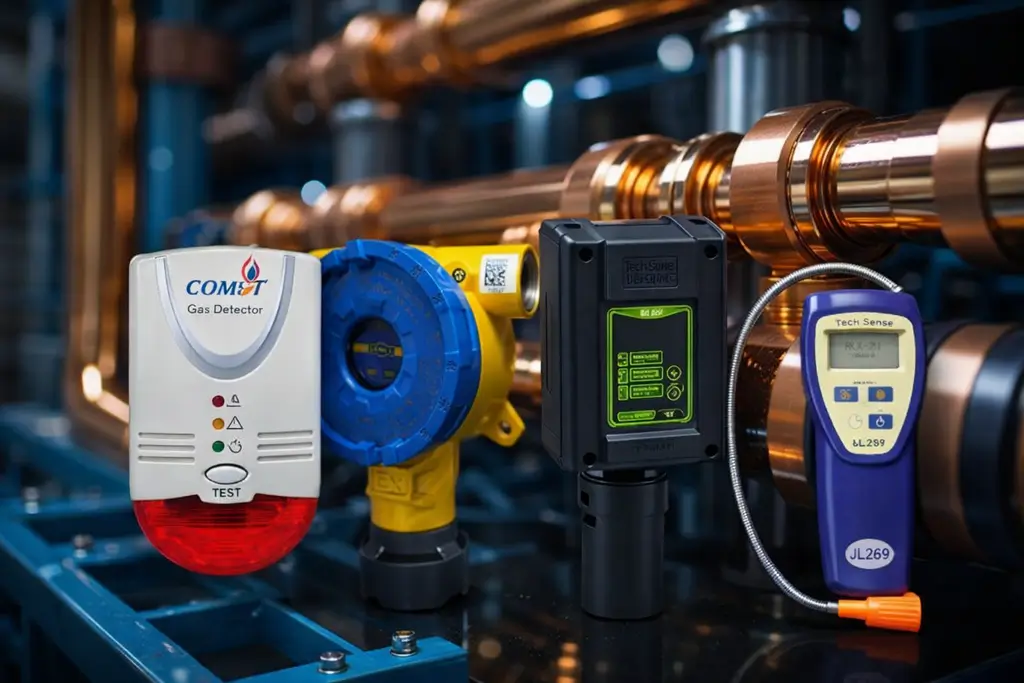
1. Choosing the Wrong Type of Gas Detector for the Application
One of the most frequent mistakes is selecting a detector without fully understanding the operational environment.
Fixed vs Portable Gas Detectors
- Portable gas detectors are designed for personal safety, spot checks, and confined space entry
- Fixed gas detectors provide continuous monitoring in high-risk zones
Common error:
Companies purchase a portable gas detector for permanent area monitoring or rely on fixed detectors when personnel-level protection is required.
Best Practice
- Use portable gas detectors for:
- Confined spaces
- Maintenance work
- Personal exposure monitoring
- Use fixed gas detectors for:
- Plant rooms
- Production lines
- Gas storage areas
Selecting the wrong type reduces detection effectiveness and increases liability risk.
Explore more for : Portable vs. Fixed: Choosing the Right Gas Detector for Your Needs
2. Ignoring the Specific Gas Hazards Present
Not all gas detectors detect all gases, yet this assumption remains widespread.
Common Oversights
- Using a flammable gas detector when toxic gas detection is required
- Assuming one sensor can cover multiple unrelated gases
- Overlooking oxygen-deficient or oxygen-enriched environments
In Malaysia, common industrial gases include:Carbon monoxide (CO)
- Hydrogen sulphide (H₂S)
- Ammonia (NH₃)
- Methane (CH₄)
- Volatile organic compounds (VOCs)
Best Practice
Conduct a gas risk assessment before selecting equipment. Identify:
- Gas type
- Concentration range
- Exposure duration
- Environmental conditions
A reputable gas detector supplier in Malaysia should assist with this evaluation.
3. Prioritising Price Over Reliability and Certification
Cost-driven decisions are understandable but dangerous when it comes to gas detection.
Why “Cheap” Gas Detectors Cost More Long-Term
- Inaccurate readings
- Short sensor lifespan
- Limited calibration support
- Higher failure rates
- Non-compliance penalties
Some low-cost detectors lack proper:
- ATEX certification
- IECEx compliance
- Local safety approvals
Best Practice
Always prioritise:
- International certifications
- Proven sensor technology
- Manufacturer track record
- Local service and calibration support
A reliable gas detector in Malaysia must meet both international standards and local regulatory expectations.
4. Overlooking Environmental and Site Conditions
Gas detectors do not perform the same in every environment.
Commonly Ignored Factors
- High humidity
- Extreme temperatures
- Dust and corrosive gases
- Vibration and mechanical shock
For example:
- A portable gas detector used in palm oil mills may fail faster due to high humidity
- Electronics manufacturing facilities may require low-interference sensors
Best Practice
Match the detector’s IP rating, operating temperature, and housing material to the site environment.
Failure to do so often leads to false alarms or undetected gas leaks.
Underestimating Calibration and Maintenance Requirements
Many companies focus on the purchase and forget the lifecycle.
Common Mistakes
- No calibration schedule
- No access to certified calibration gas
- Relying on untrained personnel
- Skipping sensor replacement timelines
Gas detectors drift over time. Without proper calibration, readings become unreliable, putting workers at risk.
Best Practice
- Establish a routine calibration plan
- Ensure local calibration and servicing support
- Train personnel on proper usage and bump testing
A professional gas detector supplier should provide after-sales technical support, not just equipment.
6. Failing to Consider User Training and Ease of Use
Even the most advanced gas detector is ineffective if users do not understand it.
Common Issues
- Complicated interfaces
- Unclear alarm indicators
- Poor battery management
- Lack of user training
Portable gas detectors are often used in high-stress situations. Confusion delays response time.
Best Practice
Choose detectors with:
- Clear visual and audible alarms
- Simple displays
- Long battery life
- Training support and documentation
Ease of use directly impacts safety outcomes.
7. Ignoring Local Compliance and Industry Standards in Malaysia
Gas detection requirements vary by country and industry.
Common Compliance Gaps
- Ignoring DOSH recommendations
- Not aligning with OSHA or MS standards
- Using uncertified imports without local support
In audits or incidents, non-compliant equipment can result in:
- Legal penalties
- Insurance rejection
- Operational shutdowns
Best Practice
Work with suppliers experienced in Malaysia’s industrial safety landscape, ensuring compliance with:
- DOSH guidelines
- Industry-specific safety standards
- International certifications recognised locally
8. Choosing Suppliers Without Local Expertise or Support
A gas detector is not a plug-and-play product.
Risks of Overseas-Only Suppliers
- Delayed technical support
- No on-site troubleshooting
- Difficult calibration arrangements
- Spare part delays
Best Practice
Select a gas detector Malaysia supplier that offers:
- Local technical support
- Calibration services
- Site assessment assistance
- Fast response times
This ensures long-term reliability and operational continuity.
Smarter Gas Detector Selection Saves Lives and Costs
Selecting a gas detector is a strategic safety decision, not a commodity purchase. The most common mistakes, such as wrong detector type, poor gas matching, price-driven decisions, and lack of maintenance planning, can expose companies to serious safety, legal, and financial risks.
By understanding your gas hazards, operational environment, and compliance requirements, and by working with a trusted local supplier, businesses in Malaysia can deploy effective, reliable, and compliant gas detection solutions.
If your organisation uses or plans to use a portable gas detector or fixed system, avoiding these mistakes is the first step toward a safer workplace.
Kindly contact us, if you are looking for a gas detector, or visit our website for more detailed information
Frequently Asked Questions About Choosing Gas Detectors Malaysia
What is the most common mistake when choosing a gas detector in Malaysia?
The most common mistake is selecting a gas detector without matching it to the actual gas hazards and working environment, leading to inaccurate detection.
When should a portable gas detector be used?
A portable gas detector is ideal for confined space entry, maintenance work, and personal exposure monitoring where mobility is required.
Are all gas detectors suitable for Malaysian industrial environments?
No. Gas detectors must be suitable for high humidity, temperature variations, and comply with Malaysian safety standards and certifications.
How often should gas detectors be calibrated?
Most gas detectors require calibration every 3 to 6 months, depending on usage, environment, and manufacturer recommendations.
Why is local technical support important when buying gas detectors?
Local support ensures faster calibration, servicing, compliance assistance, and minimises downtime during safety incidents
Disclaimer
This article is intended for general informational purposes only. Always consult a qualified professional or certified gas technician before performing installation, repair, or calibration of gas detection systems. Improper handling of gas lines or detectors can result in serious injury or damage.