How to Maintain and Calibrate a Gas Detector for Long-Term Accuracy
When it comes to gas safety, installing a detector is only the first step — keeping it accurate over time is the real challenge. A gas detector that’s out of calibration can lead to false alarms or missed leaks, compromising both safety and compliance.
For industries across Malaysia — from manufacturing to oil and gas — regular maintenance and calibration are essential to ensure every reading remains reliable.
This article will guide you through how to properly maintain and calibrate a gas detector (including portable gas detectors) for long-term performance and accuracy.
Understanding Why Calibration Matters
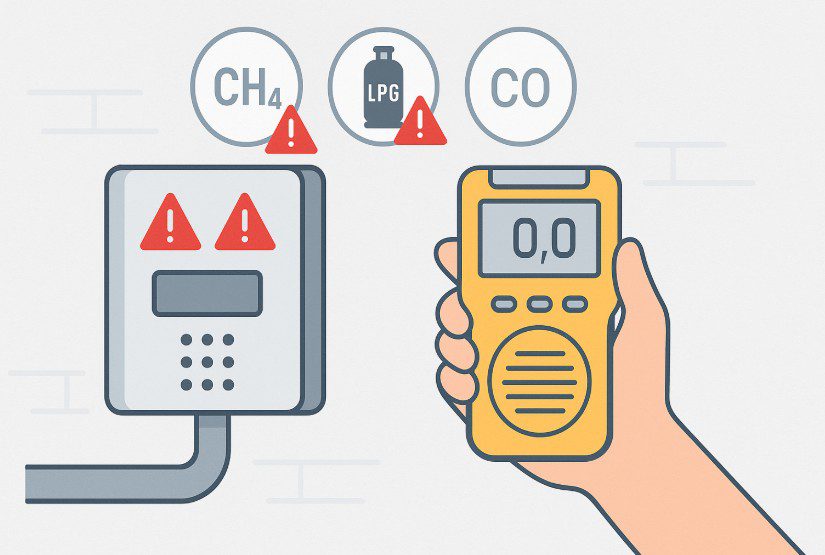
Gas detectors are designed to identify hazardous gases such as methane, carbon monoxide, or LPG. They work using advanced sensors that react when gas concentrations exceed safe levels.
Over time, these sensors can drift due to factors like temperature changes, humidity, or long-term exposure to gas. When this happens, your readings may no longer be accurate — even if the device appears functional.
That’s why regular calibration is critical. It ensures that your detector’s output matches a known concentration of gas, restoring accuracy and maintaining safety standards.
(If you’re new to gas detection systems, read our Gas Leak Detector Guide for a full overview.)
Common Causes of Inaccurate Readings
Even the best detectors can lose accuracy if not maintained properly. Here are a few reasons why:
- Sensor drift: Gradual loss of sensitivity due to exposure or ageing.
- Contamination: Dust, oil, or moisture can block gas flow to the sensor.
- Temperature and humidity: Extreme environments affect sensor response.
- Improper calibration: Using the wrong calibration gas or procedure.
- Battery or power issues: Inconsistent voltage can cause reading errors.
Routine servicing prevents these issues, keeping your gas detector in Malaysia reliable for years to come.
Key Maintenance Practices for Gas Detectors
Maintaining a gas detector isn’t complicated, but consistency matters. Below are the essential maintenance steps every facility should follow.
a. Visual Inspection
Start with a quick check for physical damage, corrosion, or loose fittings. Ensure the sensor inlet isn’t blocked and that the display is clear and functional.
b. Cleaning
Dust, oil mist, or debris can affect airflow and trigger false alarms. Use a clean, dry cloth to wipe the exterior and avoid chemical cleaners that might damage the sensor.
c. Battery and Power Check
Portable gas detectors rely on stable battery power. Inspect the battery regularly, charge it fully, and replace it as soon as you notice performance drops.
d. Functional Testing
Perform a bump test (functional test) using a small amount of test gas. This verifies that the detector’s alarms and sensors are responding properly before use.
e. Record Keeping
Keep detailed logs of all maintenance and calibration activities. These records help with troubleshooting, audits, and compliance reporting.
Step-by-Step: How to Calibrate a Gas Detector
Calibration might sound technical, but it’s straightforward once you follow the right process. Here’s how it’s typically done:
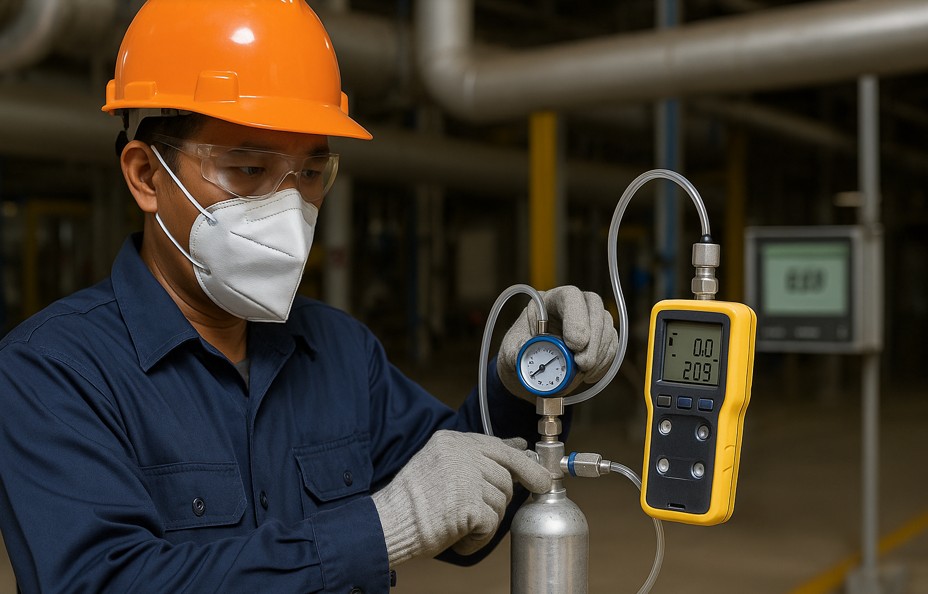
Step 1: Prepare the Equipment
You’ll need:
- The gas detector or portable gas detector
- A certified calibration gas cylinder
- A regulator and tubing
- A calibration cap or adapter
Always check the gas concentration and expiry date printed on the cylinder.
Step 2: Zero Calibration
First, perform a zero calibration by exposing the detector to clean, fresh air. This step ensures the baseline reading is accurate before adding test gas.
Step 3: Apply Calibration Gas
Connect the gas cylinder to the detector using the tubing. Release gas at a controlled flow rate (usually around 0.5 L/min) and allow the detector to stabilise.
Step 4: Adjust the Reading
The detector compares its reading to the known concentration of gas. If there’s a difference, it automatically adjusts the sensor output to match.
Step 5: Record the Calibration
Once complete, note the date, result, and technician name in your calibration log.
(You can refer to the JL269 Portable Gas Detector PDF for a detailed guide on calibration procedures.)
Calibration Frequency: How Often Is Enough?
The frequency of calibration depends on usage, environment, and manufacturer recommendations.
| Environment Type | Recommended Calibration Interval | Example Application |
|---|---|---|
| Low-risk indoor area | Every 6 months | Laboratories, clean rooms |
| Medium-risk industrial | Every 3 months | Factories, food processing |
| High-risk environment | Monthly | Oil & gas, chemical plants |
For portable units used in fieldwork, always perform a bump test before every use and a full calibration every 6 months.
To understand which type of detector suits your needs, check out Portable vs Fixed Gas Detectors Malaysia.
Extending the Lifespan of Your Gas Detector
Routine calibration is only one part of ensuring long-term performance. Consider these additional tips:
- Store properly: Keep detectors in a dry, clean environment.
- Avoid exposure: Don’t leave the unit in high humidity or dusty conditions.
- Replace sensors as needed: Most sensors last 2–3 years.
- Update firmware: Modern detectors may include calibration reminders or sensor-health indicators.
- Train your team: Make sure operators understand how to handle and test the equipment.
(For safety insights, read Importance of Gas Detectors: Safety Benefits.)
Professional vs In-House Calibration
Some companies prefer to handle calibration internally, while others use authorised service providers.
- In-house calibration is cost-effective if you have trained technicians and the right equipment.
- Professional calibration is recommended for compliance-critical industries or complex fixed systems.
Certified technicians follow manufacturer standards and issue calibration certificates — essential for audits and insurance verification.
Choosing the Right Gas Detector in Malaysia
The Malaysian market offers a range of detectors designed for different gases and environments. When selecting one, consider:
- Target gases: Ensure compatibility with the gases you handle.
- Response time: Faster detection reduces exposure risk.
- Display clarity: Readings should be easy to interpret.
- Maintenance support: Choose brands with local service centres.
At Comet Integrated, models like the GTQ-X Hanwei Gas Detector is popular for their durability and calibration ease. Browse the full range here: Gas Detector Product Category.
Common Calibration Mistakes to Avoid
Even experienced users make errors that affect accuracy. Avoid these common pitfalls:
- Using expired calibration gas
- Forgetting to perform zero calibration before applying gas
- Ignoring temperature compensation in outdoor environments
- Failing to log calibration results
- Not verifying alarm functionality after adjustment
By addressing these, your detector remains accurate and compliant with Malaysian safety standards.
Troubleshooting: What If Calibration Fails?
If your gas detector doesn’t respond correctly during calibration:
- Check for blocked sensors or filters.
- Ensure the gas cylinder pressure is sufficient.
- Verify correct gas concentration for the target gas.
- Inspect cables and connectors for damage.
If issues persist, contact your supplier or service provider.
Final Checklist Before You Buy (2026 Edition)
Before choosing a portable gas detector, ensure your device has:
✔ The correct sensors for your hazard
✔ Reliable alarms (sound, visual, vibration)
✔ Sufficient battery life
✔ Calibration support in Malaysia
✔ Local warranty and after-sales service
✔ Compliance with DOSH, IECEx, ATEX, or equivalent standards
Frequently Asked Questions (FAQ) About Gas Leak Detector Calibration
How often should I calibrate a gas detector in Malaysia?
Calibration frequency depends on your working environment. For standard industrial use, it’s best to calibrate every 3 to 6 months. In high-risk environments such as oil, gas, or chemical plants, monthly calibration is recommended. Always perform a bump test before each use to ensure proper sensor response.
What is the difference between calibration and bump testing?
Calibration adjusts the gas detector’s sensor to a known concentration of test gas to maintain accuracy, while a bump test checks whether the detector’s alarms and sensors respond correctly. A bump test is a quick functional check; calibration is a precise adjustment process.
Can I calibrate my gas detector myself?
Yes, if you have the proper equipment and training. Many portable gas detectors allow manual calibration following the manufacturer’s instructions. However, for high-precision or fixed systems, it’s safer to engage certified technicians who use traceable calibration gases and issue compliance certificates.
What type of calibration gas should I use?
Always use certified calibration gas with a concentration that matches your detector’s target gas — for example, methane, carbon monoxide, or LPG. Make sure the gas cylinder is not expired and stored at room temperature. Using the wrong calibration gas may cause inaccurate readings.
How do I know when to replace my gas detector or its sensors?
Most gas sensors last between 24 and 36 months, depending on exposure and environmental conditions. If you notice frequent calibration failures, slow response times, or inconsistent readings, it’s time to replace the sensor or upgrade to a newer model like the GTQ-X Hanwei Gas Detector or GD-Comet Gas Detector.
Summary: The Key to Long-Term Accuracy
A gas detector is only as reliable as the maintenance it receives. Regular calibration ensures the readings are trustworthy, protecting people, property, and processes.
For businesses in Malaysia, a proactive maintenance routine isn’t just best practice — it’s essential for regulatory compliance and long-term cost savings.
If you’re unsure where to start, our experts at Comet Integrated can help with product selection, calibration schedules, and technical support. Explore more at Gas Leak Detector Malaysia.
Disclaimer
This article is intended for general informational purposes only. Always consult a qualified professional or certified gas technician before performing installation, repair, or calibration of gas detection systems. Improper handling of gas lines or detectors can result in serious injury or damage.