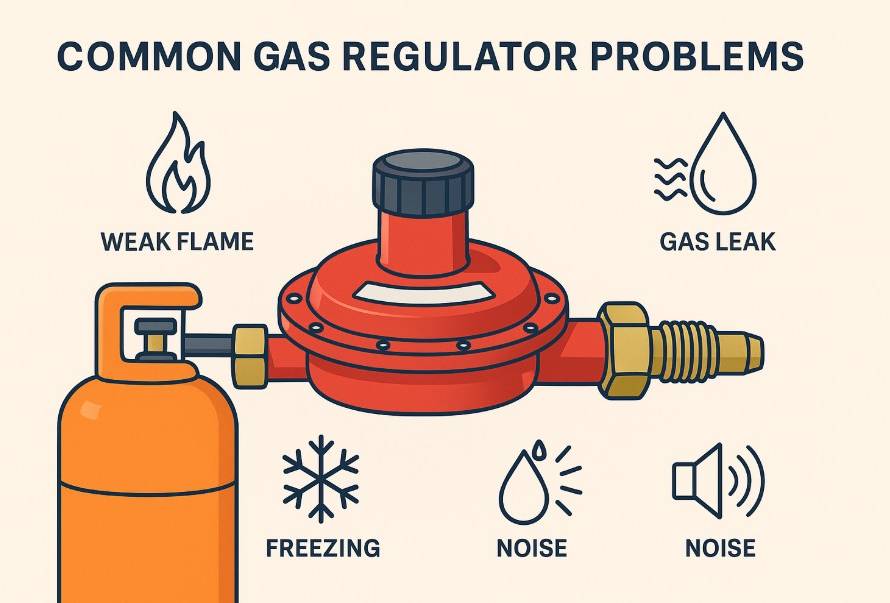
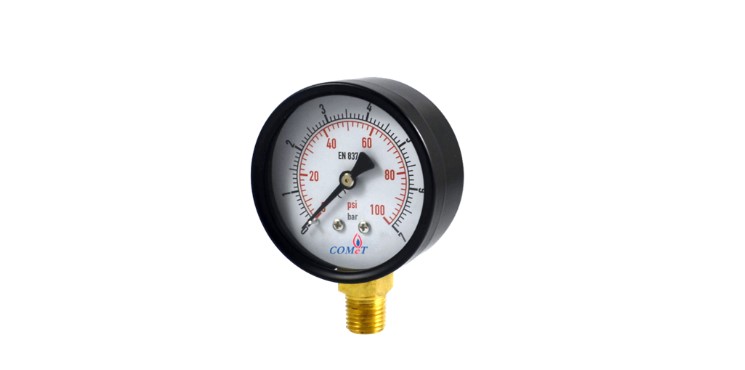
Why Regular Gas Leak Detection Maintenance Matters
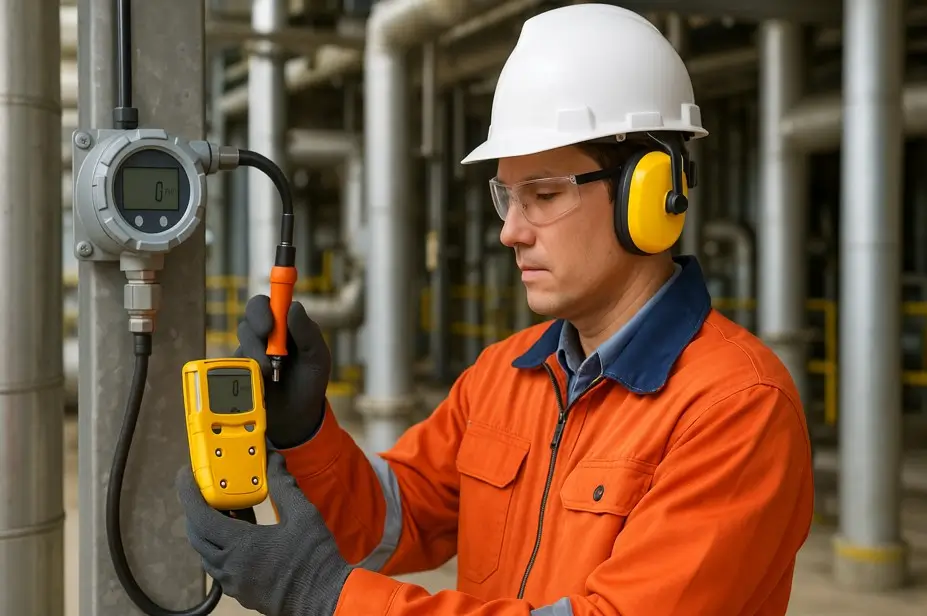
Gas leaks are silent hazards — often invisible, odorless, and capable of causing serious damage to property, productivity, and lives. While installing a gas leak detector is a critical safety measure, regular maintenance and calibration are what keep these systems effective over time.
Whether you manage a factory, laboratory, or commercial kitchen, keeping your gas detection systems in top condition ensures that they respond accurately to potential leaks. In this article, we’ll explain why gas leak detection maintenance is essential, how neglect can lead to costly risks, and what you can do to maintain safety compliance in your facility.
Understanding How Gas Leak Detectors Work
Before diving into maintenance, it helps to understand what a gas leak detector does.
A gas leak detector is a device that identifies the presence of hazardous gases such as methane, propane, carbon monoxide, or LPG. These detectors are connected to a gas meter or alarm system to alert operators when gas concentration exceeds safe levels.
There are two main types:
- Portable gas detectors – handheld and ideal for spot checks, maintenance inspections, and confined spaces.
- Fixed gas detectors – permanently installed to continuously monitor areas prone to leaks.
(Explore the differences here: Portable vs Fixed Gas Detectors Malaysia)
To ensure both systems perform reliably, periodic inspection, sensor calibration, and cleaning are necessary — just like how you would service any precision instrument.
The Importance of Regular Gas Leak Detector Maintenance
a. Accuracy and Sensitivity
Gas detectors rely on sensors that measure gas concentration in the air. Over time, these sensors degrade due to exposure to environmental factors like dust, humidity, and chemical vapours. Without maintenance, they can drift, leading to false readings or, worse, missed leaks.
Regular calibration ensures that your device accurately measures gas concentration. This accuracy is vital for compliance with safety standards and preventing unnecessary downtime.
b. Compliance and Certification
Many industries in Malaysia — including oil and gas, manufacturing, and healthcare — must comply with DOSH and international safety regulations. These regulations require regular calibration and inspection of gas detection systems.
Routine maintenance helps you stay audit-ready and demonstrates your commitment to workplace safety and environmental responsibility.
c. Longevity and Cost Efficiency
A well-maintained detector lasts significantly longer. Preventive maintenance not only extends equipment life but also helps avoid costly emergency repairs. The small cost of regular calibration pales in comparison to the expense of replacing damaged sensors or responding to a gas leak incident.
d. Protecting Human Lives and Assets
Ultimately, gas detection maintenance is about protection. Early detection of leaks can prevent fires, explosions, poisoning, and environmental contamination. For businesses handling combustible or toxic gases, maintaining a reliable gas detection system is a moral and legal obligation.
(For a deeper look at how detectors enhance safety: Importance of Gas Detectors: Safety Benefits)
What Happens If Maintenance Is Ignored
Neglecting your gas leak detection system can lead to serious consequences:
- False alarms that cause production interruptions.
- Sensor drift, resulting in undetected leaks.
- Regulatory penalties for failing safety inspections.
- Damage to equipment and facilities due to undetected corrosion or fire hazards.
- Reputation loss following safety incidents.
A gas detection system is only as reliable as its maintenance schedule. Once accuracy begins to drift, you can no longer rely on the data displayed on your gas meter or monitoring panel.
How Often Should Gas Detectors Be Maintained?
The frequency of maintenance depends on the model, application, and environment. However, here’s a general guideline:
Type of Detector | Recommended Calibration | Functional Test |
Portable Gas Detector | Every 6 months | Before each use |
Fixed Gas Detector | Every 3 to 6 months | Monthly |
High-risk Industrial Sites | Monthly | Weekly |
Manufacturers like Comet Integrated offer calibration services and user manuals that specify testing intervals for each product. For instance, the JL269 Portable Gas Detector PDF includes a maintenance checklist for reference.
Key Steps in Gas Leak Detector Maintenance
a. Visual Inspection
Check the device for physical damage, corrosion, dust, or moisture. Ensure all connections are tight and that the detector’s display and gas meter are functioning properly.
b. Sensor Calibration
Calibration adjusts the detector to match a known concentration of target gas. This ensures the readings remain accurate even after sensor drift.
If your detector model supports auto-calibration, follow manufacturer guidelines or engage an authorised service provider.
c. Bump Testing
A bump test verifies that the detector’s sensors and alarms respond correctly when exposed to a small amount of test gas. It’s a quick way to confirm that the unit will function during an actual leak.
d. Cleaning and Environment Check
Dust or oil buildup can block gas flow to sensors. Always keep detectors clean and avoid exposure to contaminants that can cause false readings.
e. Record Keeping
Maintain a calibration log — documenting the date, results, and technician details. This not only ensures traceability but also simplifies audits and compliance reporting.
Choosing Reliable Gas Leak Detection Equipment
Even the best maintenance schedule won’t help if your detector isn’t built for reliability. When choosing a gas detection system, look for:
- High-quality sensors with long lifespan and quick response times.
- Certification compliance (ATEX, IECEx, or local DOSH approvals).
- Compatibility with your existing gas meter or control panel.
- Local support for spare parts and calibration.
For example, GD-Comet Gas Detector and GTQ-X Hanwei Gas Detector are designed for continuous, accurate monitoring in demanding industrial environments.
Explore more options here: Gas Detector Product Category
Integrating Gas Leak Detectors with Smart Monitoring Systems
Modern facilities are adopting smart gas detection systems that integrate with IoT-enabled gas meters and building management systems.
This allows for:
- Real-time alerts via mobile or desktop.
- Automated data logging for compliance records.
- Predictive maintenance, where the system analyses sensor performance to predict when calibration is due.
This integration improves operational efficiency while ensuring continuous safety monitoring.
(If you’re comparing monitoring options, see: Gas Detector vs Gas Monitor Malaysia)
Best Practices for Gas Leak Detection Maintenance in Malaysia
- Follow Manufacturer Recommendations – Always refer to product manuals and safety datasheets.
- Engage Certified Technicians – Calibration and testing should only be done by trained professionals.
- Schedule Preventive Maintenance – Set reminders for calibration and testing.
- Replace Expired Sensors – Most sensors last 2–3 years; replace them before failure.
- Document Every Service – Keep digital and physical records for traceability.
- Train Your Team – Staff should know how to recognise warning signals and perform basic checks.
Real-World Example: Avoiding a Costly Incident
A food processing plant in Selangor once experienced multiple false alarms from their gas detection system. The maintenance log revealed the detectors hadn’t been calibrated for over a year. During inspection, two sensors were found clogged with dust, causing inaccurate readings.
After performing full calibration and sensor replacement, the facility saw a 100% reduction in false alarms — and avoided what could have been a costly shutdown.
Frequently Asked Questions (FAQ) About Gas Leak Detector
How often should I calibrate my gas leak detector in Malaysia?
For most industrial environments, calibration should be done every 3 to 6 months. Portable detectors should be bump-tested before each use and calibrated at least twice a year. However, high-risk industries such as oil and gas may require monthly calibration for compliance and safety assurance.
What happens if I don’t maintain or calibrate my gas detector regularly?
Without maintenance, gas detectors may drift out of calibration, leading to inaccurate readings, missed leaks, and false alarms. This increases the risk of fire, explosion, or regulatory non-compliance. Regular calibration keeps your detector reliable and protects both people and property.
Can I perform gas detector maintenance myself, or should I hire a professional?
Basic visual checks and cleaning can be done internally, but calibration and sensor testing should be carried out by certified technicians. Professional servicing ensures the correct use of calibration gases, proper documentation, and compliance with Malaysian safety standards.
What are the signs that my gas leak detector needs replacement?
Common indicators include frequent false alarms, slow response times, inconsistent readings between detectors, or corrosion on sensors. If the unit is over 3–5 years old or the manufacturer no longer supports it, consider upgrading to newer models like the GD-Comet Gas Detector or GTQ-X Hanwei Gas Detector.
What’s the difference between a gas detector and a gas meter?
A gas detector is a safety device that identifies gas leaks or hazardous concentrations in the air, while a gas meter measures the amount of gas flowing through a system for billing or monitoring. Both work together to ensure operational efficiency and safety. Learn more at Gas Detector vs Gas Monitor Malaysia.
The Bottom Line: Safety Is a Continuous Process
Gas detection is not a one-time investment — it’s a continuous safety practice. Regular maintenance, calibration, and record keeping are crucial to ensure that your gas leak detector performs reliably when it matters most.
By committing to a structured maintenance routine, you protect your workforce, your facility, and your reputation — while meeting Malaysian safety standards.
For professional consultation, refer to our Gas Leak Detector Guide or browse Gas Leak Detector Malaysia to find models suited for your facility.
Disclaimer
This article is intended for general informational purposes only. Always consult a qualified professional or certified gas technician before performing installation, repair, or calibration of gas detection systems. Improper handling of gas lines or detectors can result in serious injury or damage.